Earthly Paradise

Radical Living in the UK

Saturday 3 October 2026 - Sunday 28 March 2027

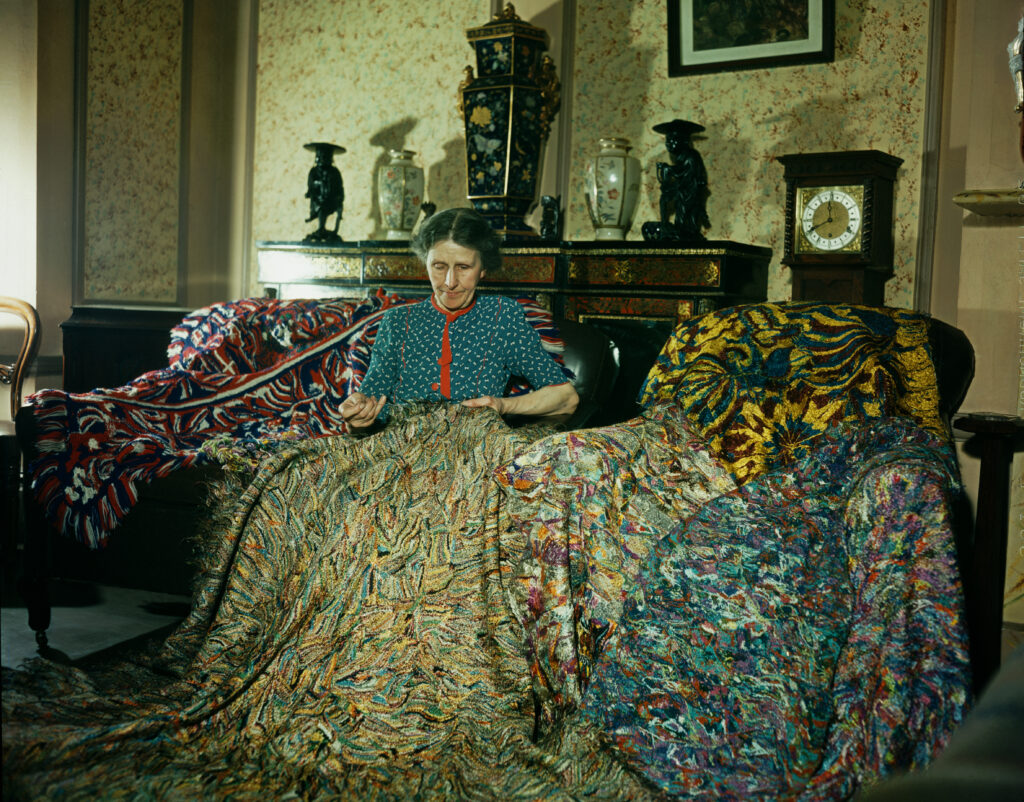
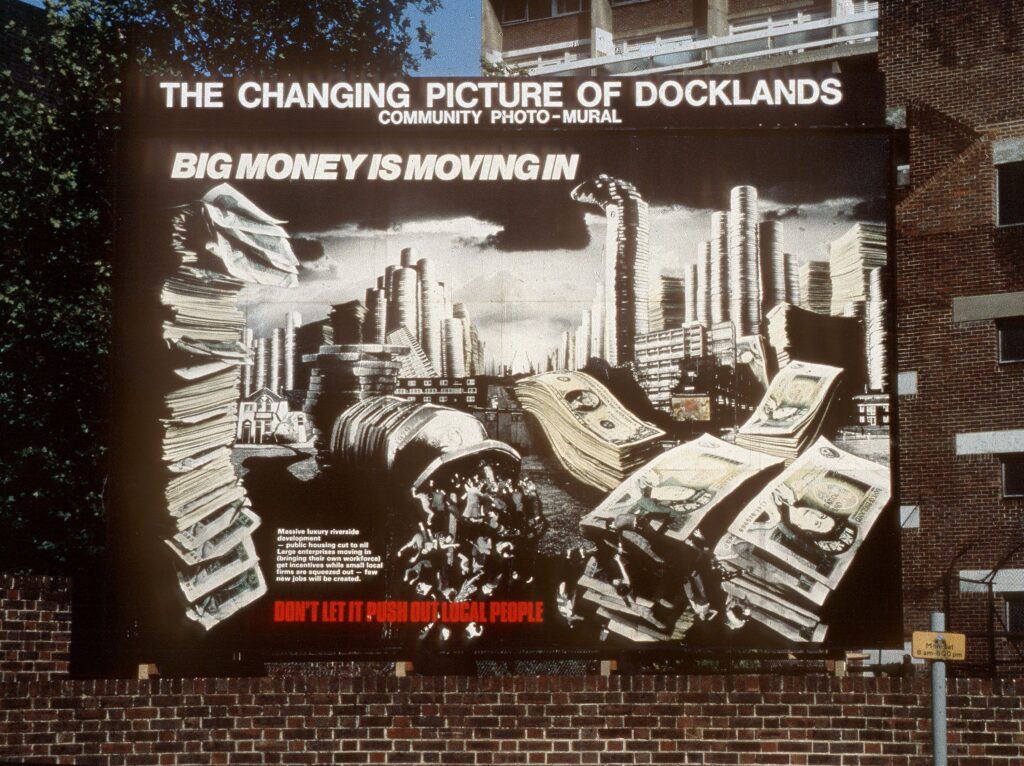
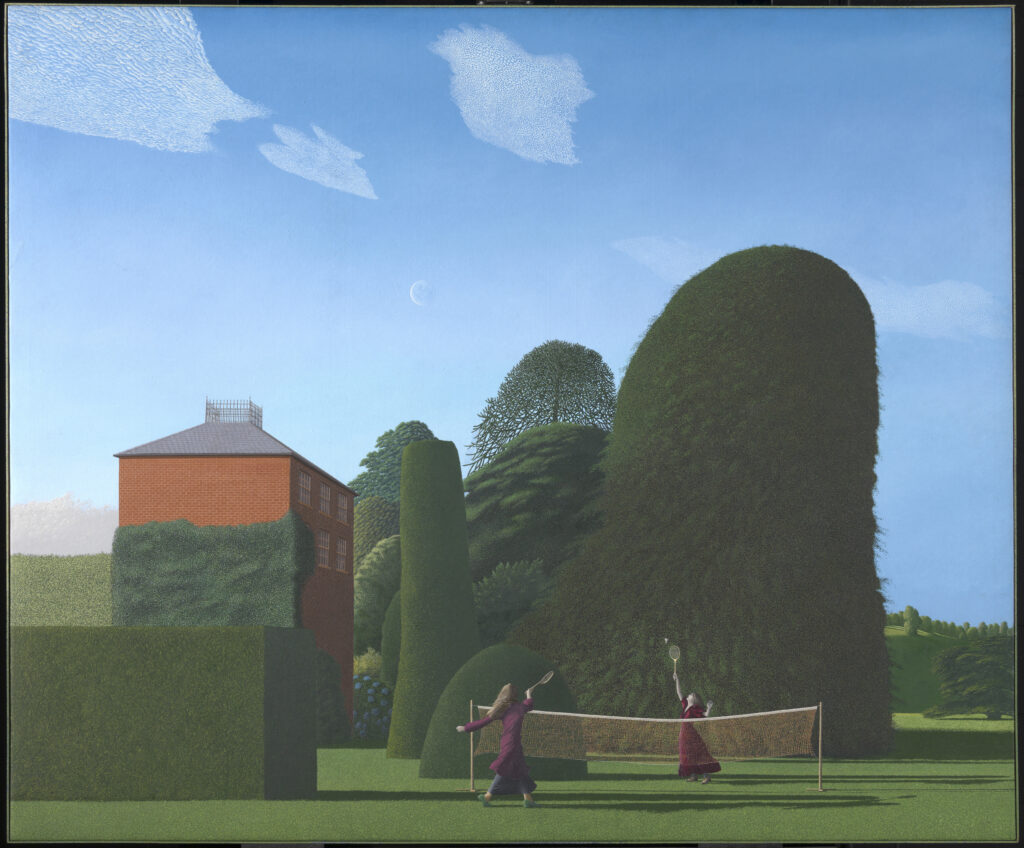
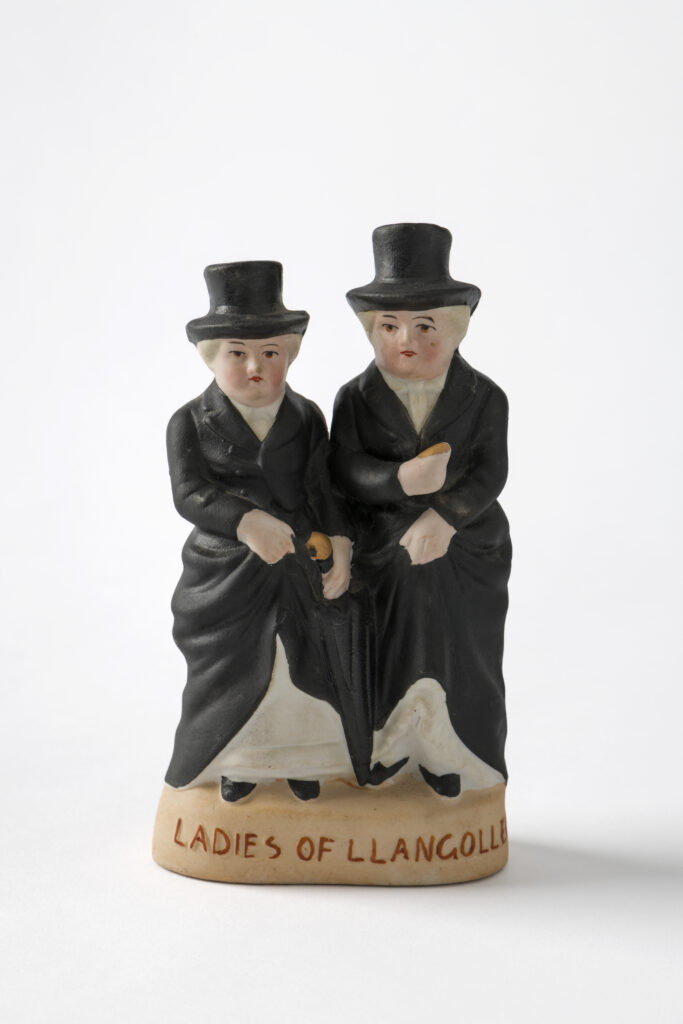
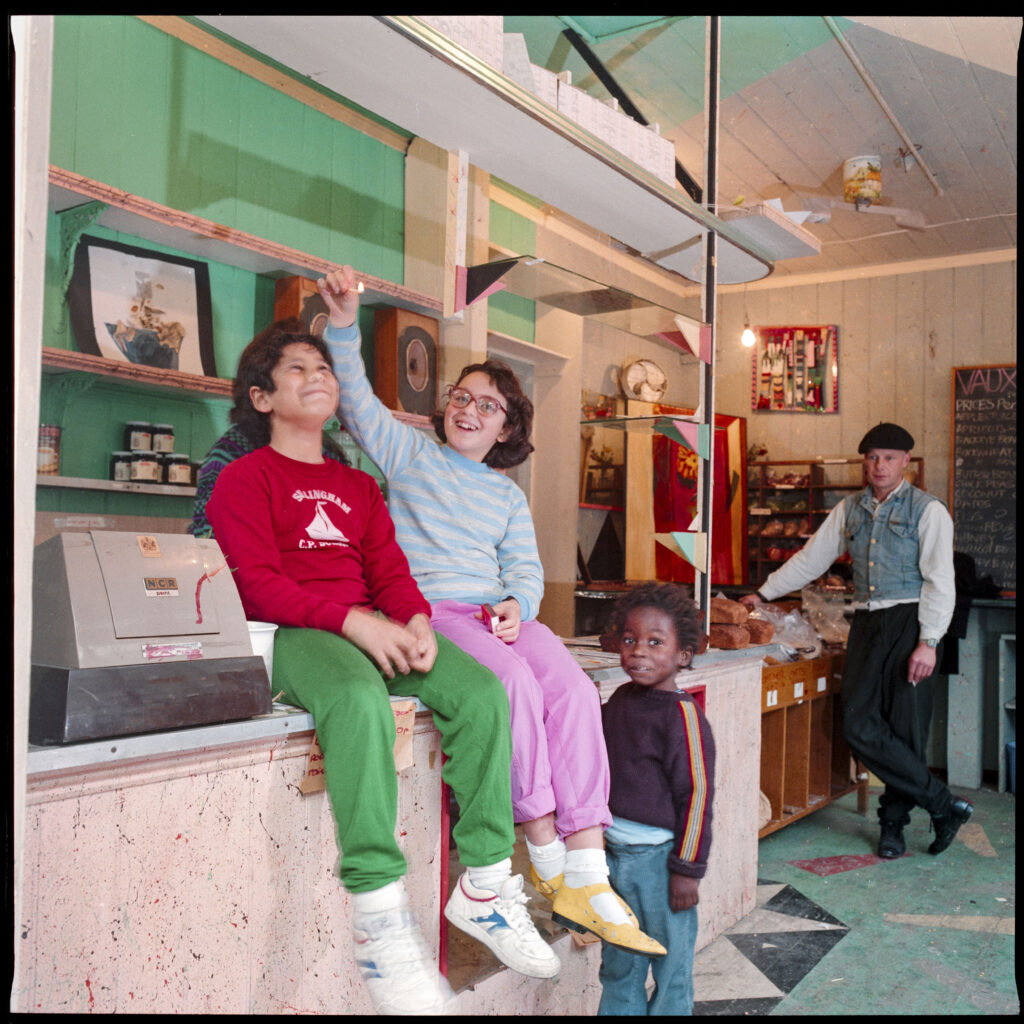
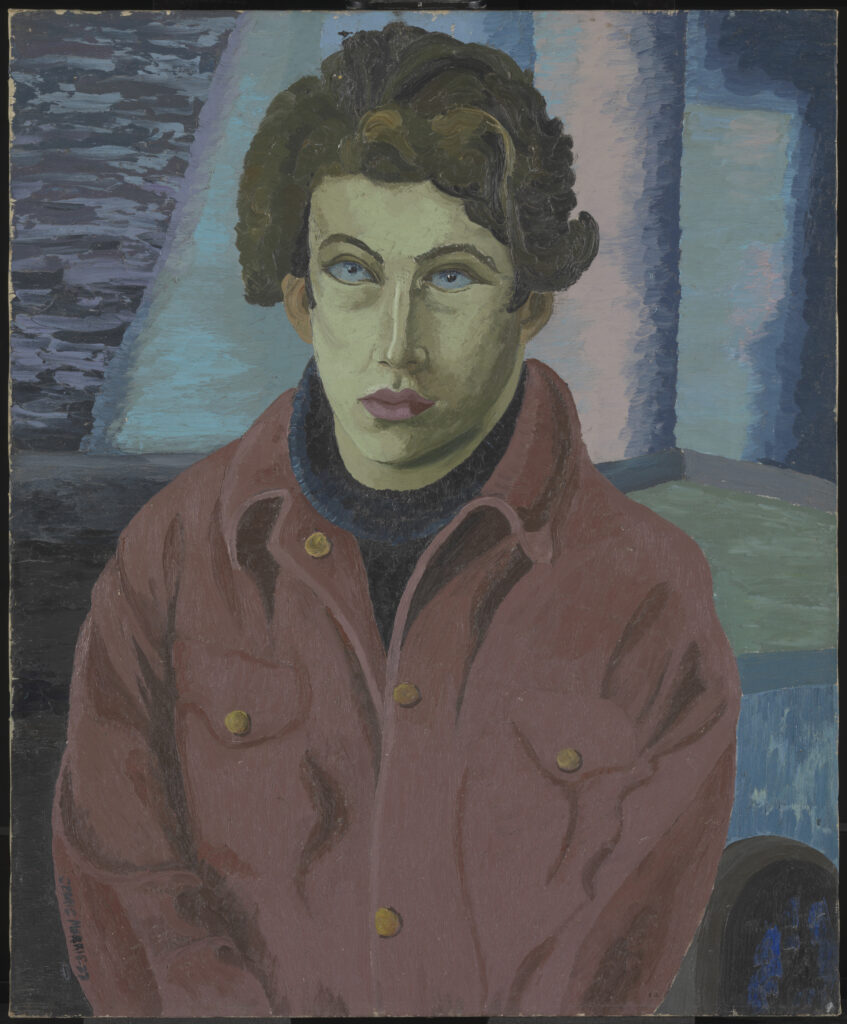
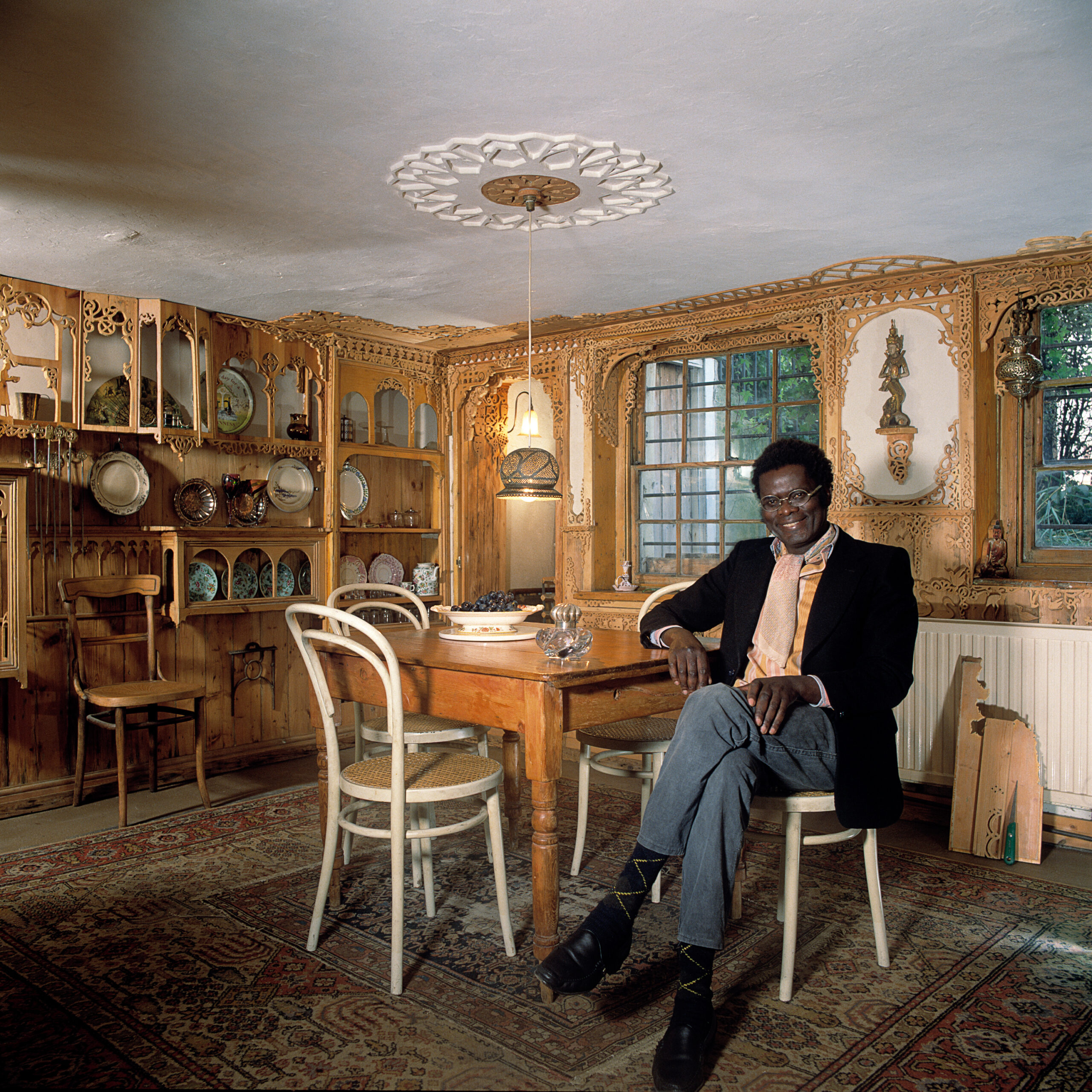
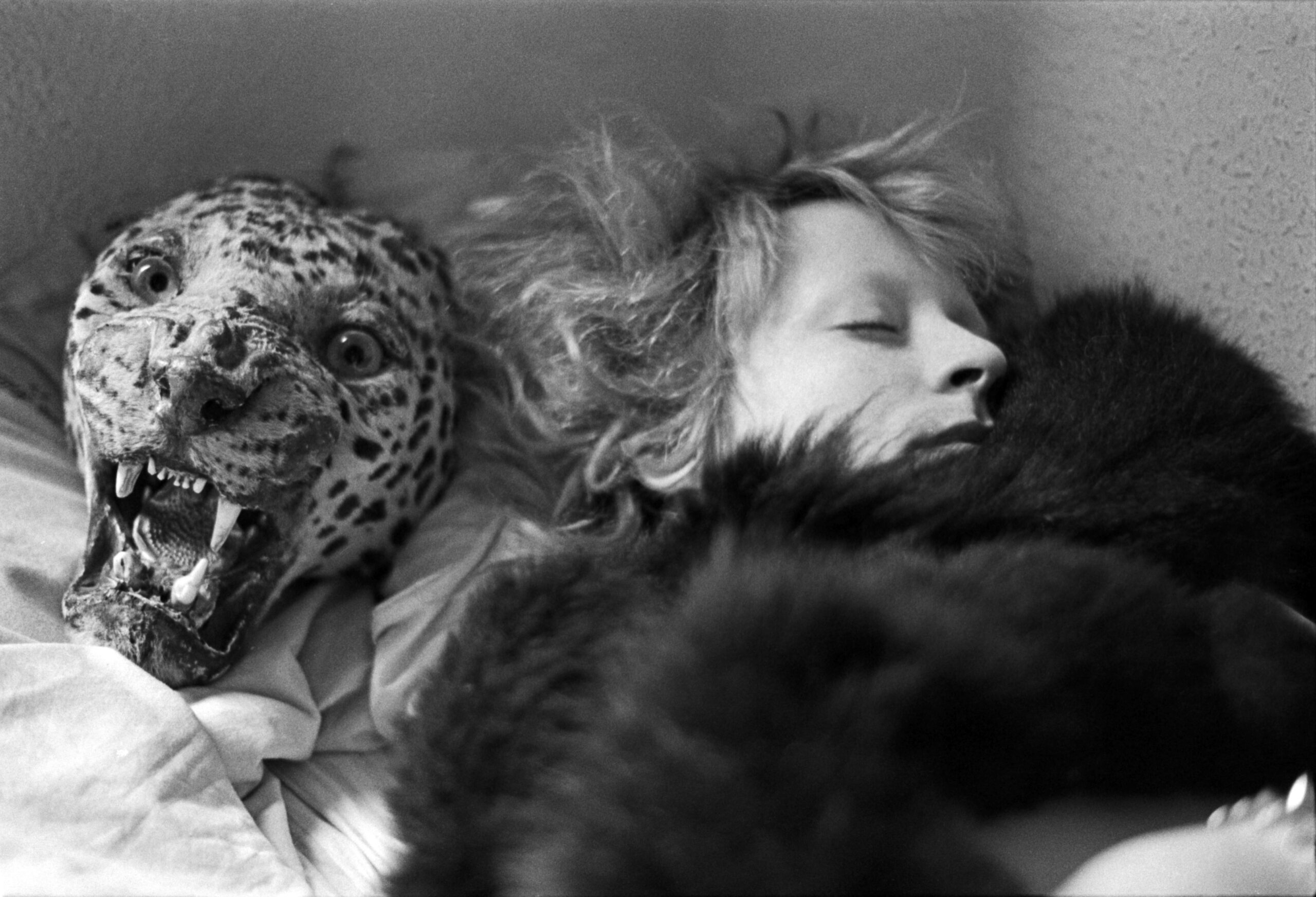
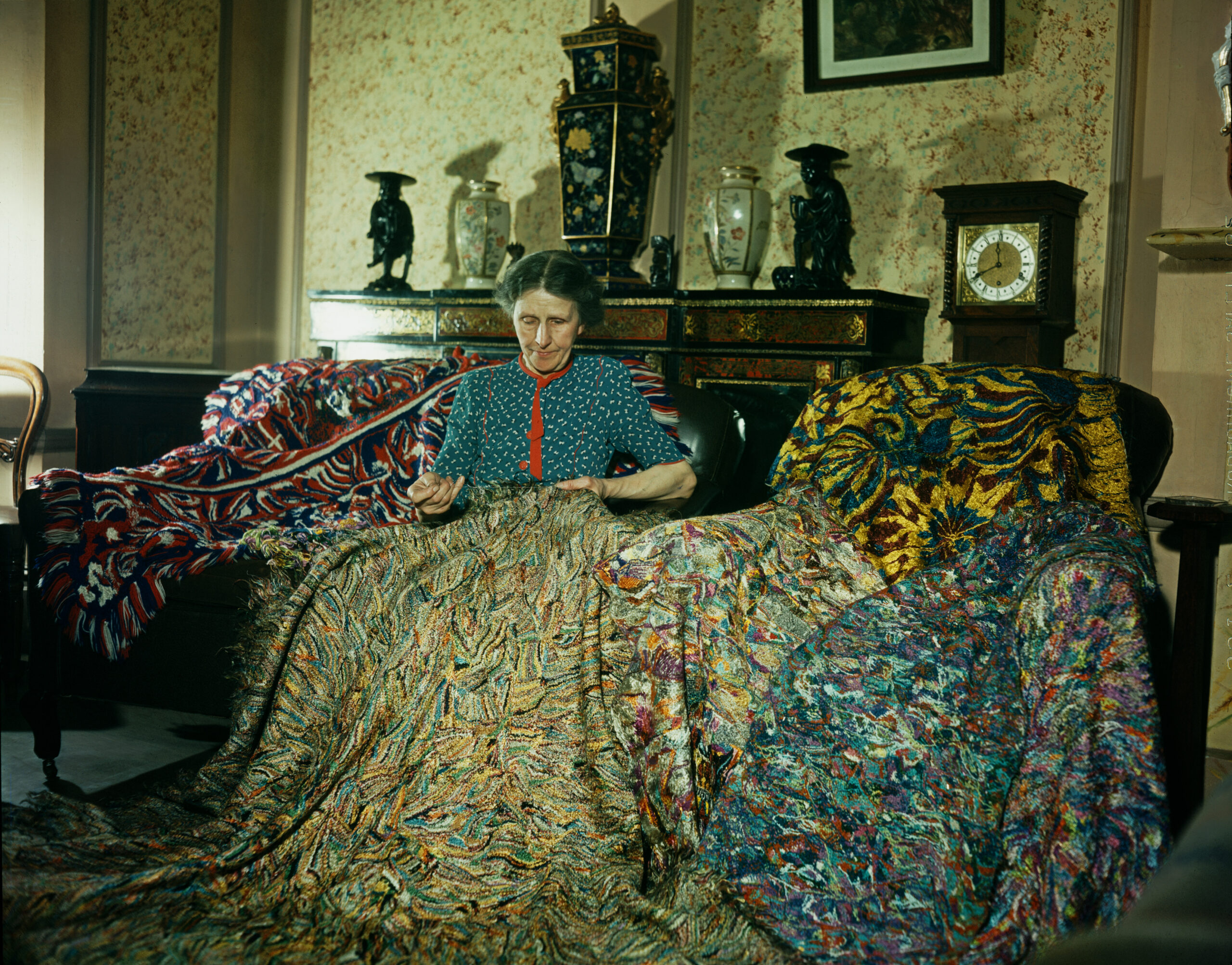
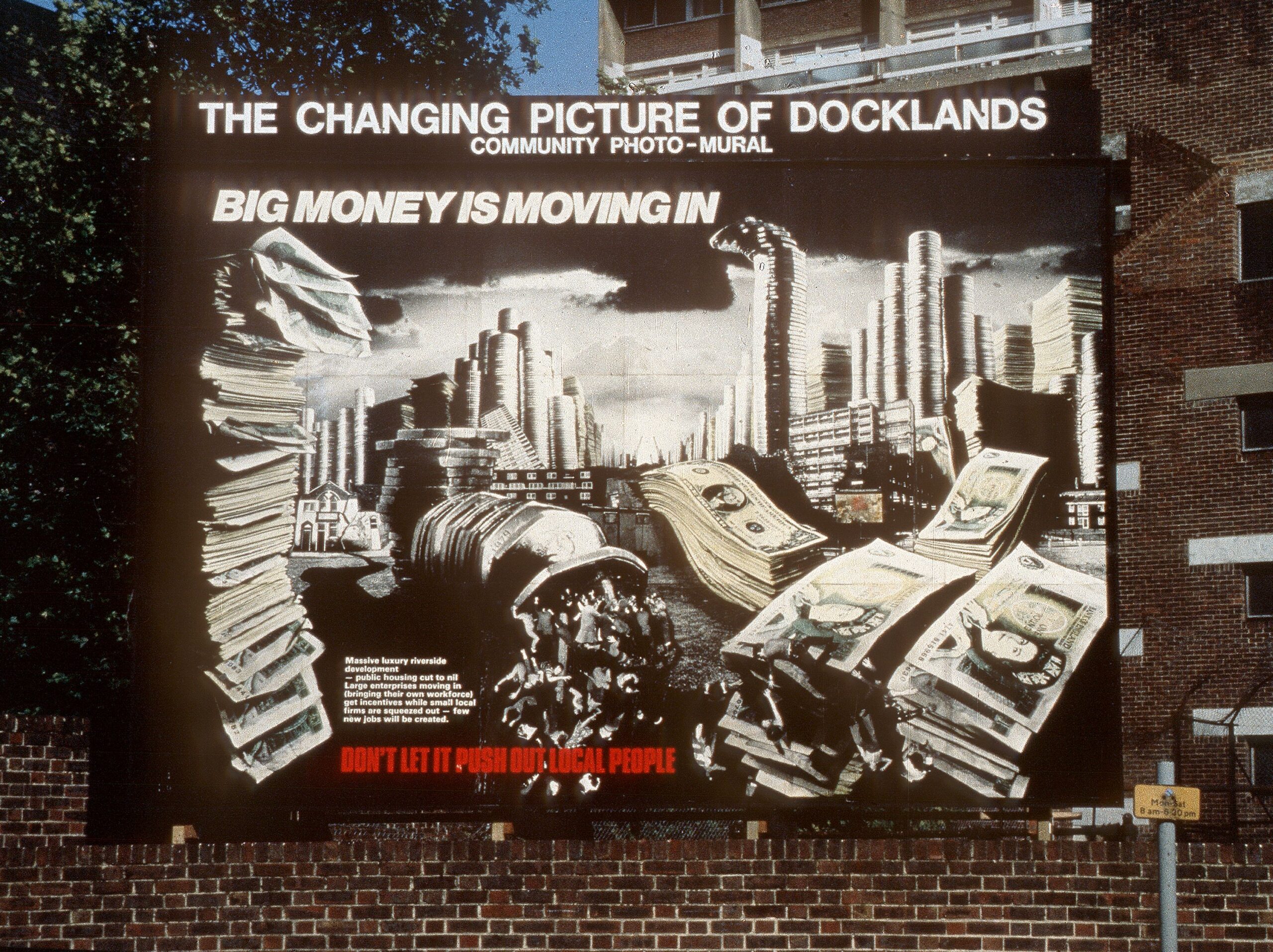
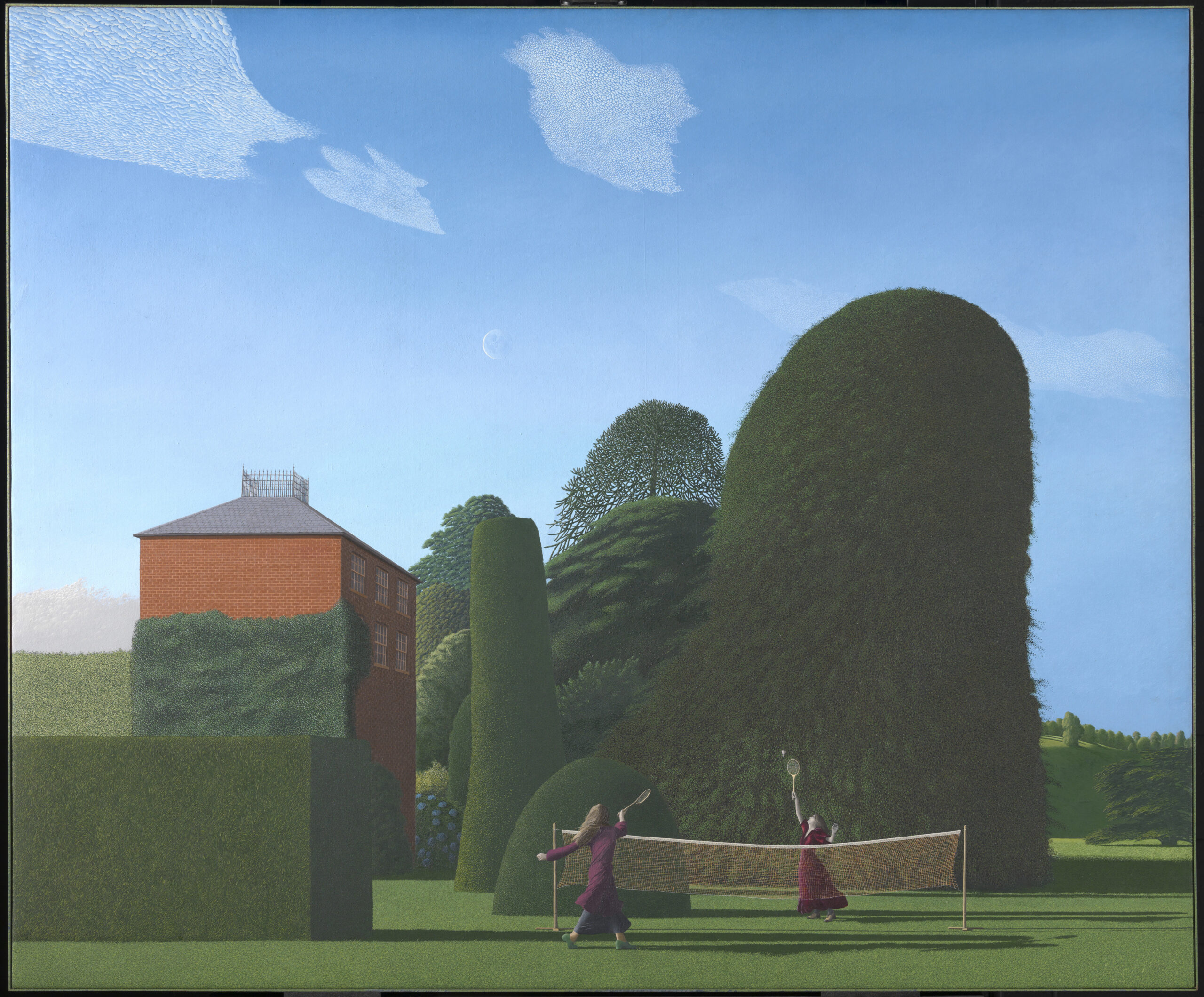
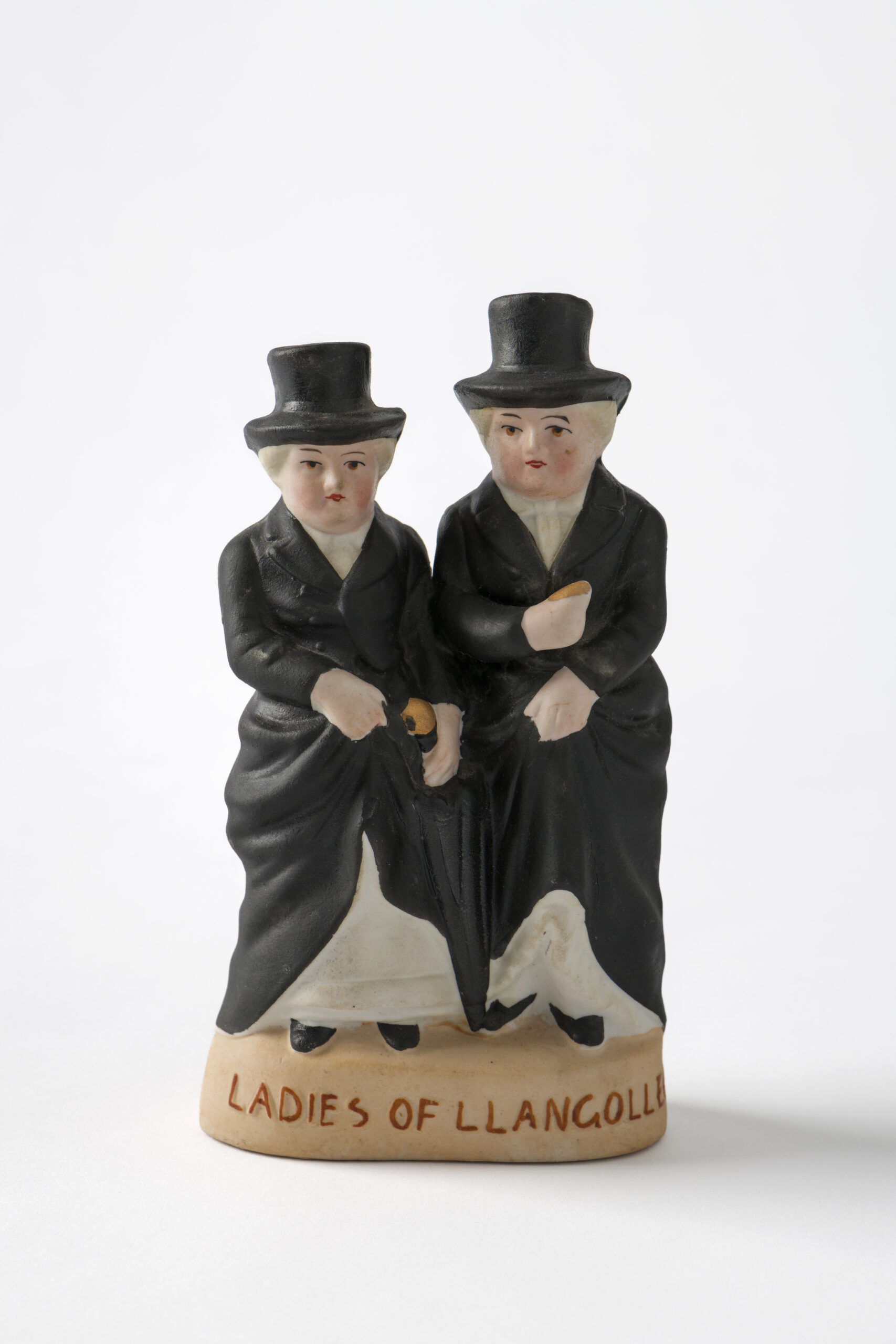
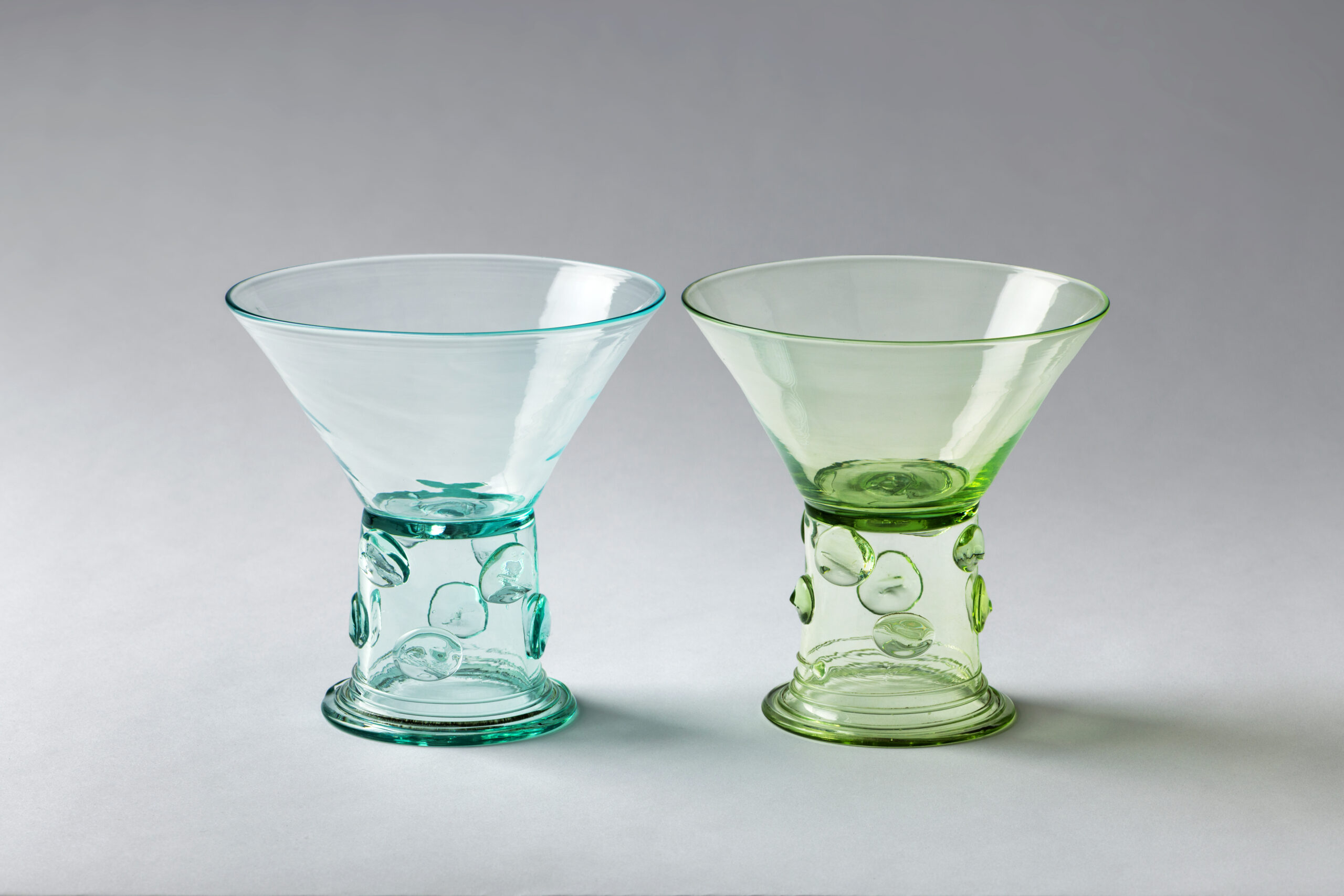
This autumn, William Morris Gallery presents Earthly Paradise: Radical Living in the UK, a major touring exhibition that explores the people and places that have helped shape art and activism across Britain over the last 200 years. Through objects, painting, drawing, photography, sound and archival material, Earthly Paradise highlights individuals and communities that defied contemporary conventions and the homes they created to explore their new visions of society. The exhibition considers the role that money and class have played in providing access to these spaces and the freedom to challenge social norms. It traces the roles activist groups and those excluded from and overlooked by mainstream society have played in imagining new ways of living and seeing the world.

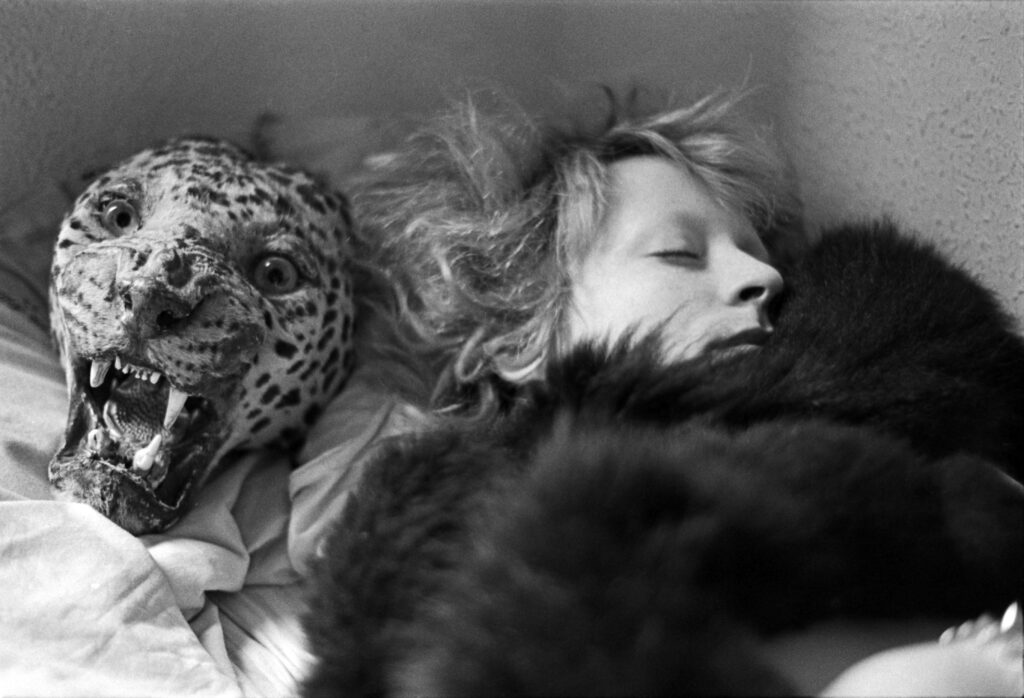
Spanning two centuries, the exhibition spotlights the homes of many important British artists and thinkers, including William Morris’s Red House; Vanessa Bell and Duncan Grant’s modernist home, Charleston; Cedric Morris’s Benton End; Derek Jarman’s Prospect Cottage; and Dial House, the self-sustaining anarcho-pacifist open house founded in 1967 by Penny Rimbaud and Gee Vaucher, members of the influential anarchist punk band Crass.

Earthly Paradise is part of Art Fund’s Going Places programme, a series of exhibitions touring the UK, created by museums working together to share their collections. The exhibition has been developed in partnership with Tŷ Pawb in Wrexham, Blackwell – The Arts & Crafts house in Bowness-on-Windermere, and Dovecot Studios in Edinburgh, who are working together under the name Four Lanterns.

The exhibition is curated by Hadrian Garrard, Director of William Morris Gallery; Linsey Young, independent curator; and Tayyabah Tahir, Assistant Curator at William Morris Gallery. The exhibition brings together works from the collections of the William Morris Gallery and Blackwell – The Arts & Crafts house, alongside works from collections across the UK including Tate, National Trust, National Portrait Gallery and the Lee Miller Archive. It will be accompanied by ten newly commissioned and freely available texts that draw out some of the many perspectives explored in the exhibition by writers including Charlie Porter, Sheena Patel, Dr Lucy Brownson, Natalie Olah and Adam Sutherland.

Following its presentation at William Morris Gallery it will tour to Tŷ Pawb, Wrexham (April – September 2027), Blackwell – The Arts & Crafts house, Bowness-on-Windermere (October 2027 – February 2028) and Dovecot Studios, Edinburgh (March – September 2028).

Going Places is an Art Fund programme made possible with major support from The National Lottery Heritage Fund and The Julia Rausing Trust, with additional support from a generous group of trusts, foundations and individuals. The Four Lanterns network is supported directly
by the Woven Foundation. Art Fund is continuing to fundraise to reach the full potential of the programme and make the biggest impact for museums and visitors across the UK.

Earthly Paradise is also supported by The Ampersand Foundation.

Read the press release

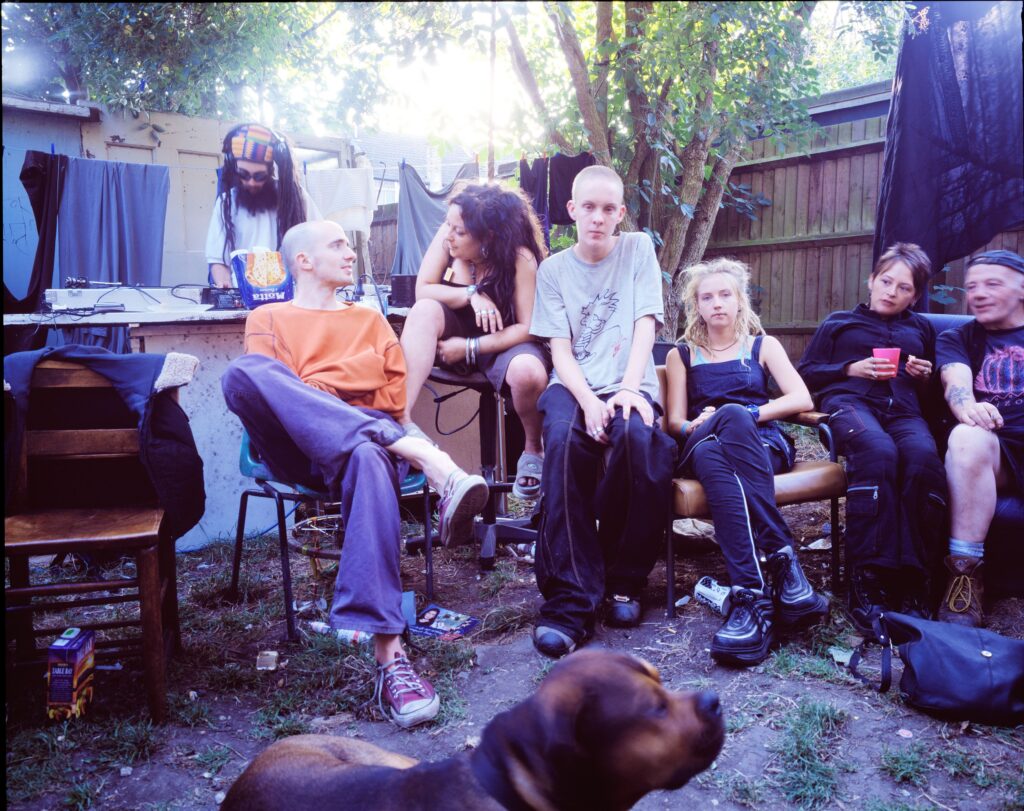
Title images:

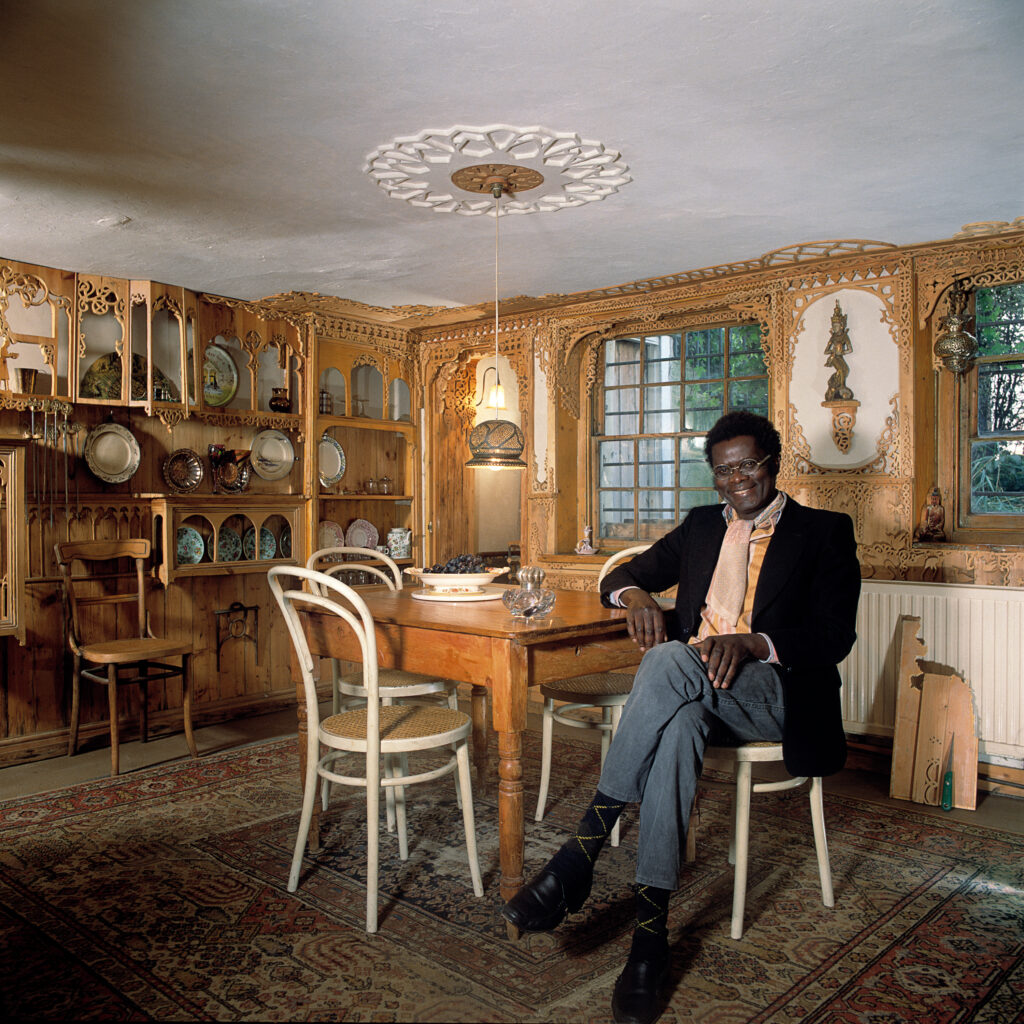
Photograph of Edward Carpenter and his partner George Merrill, c.1900. Digital image provided by The John Rylands Research Institute and Library, The University of Manchester

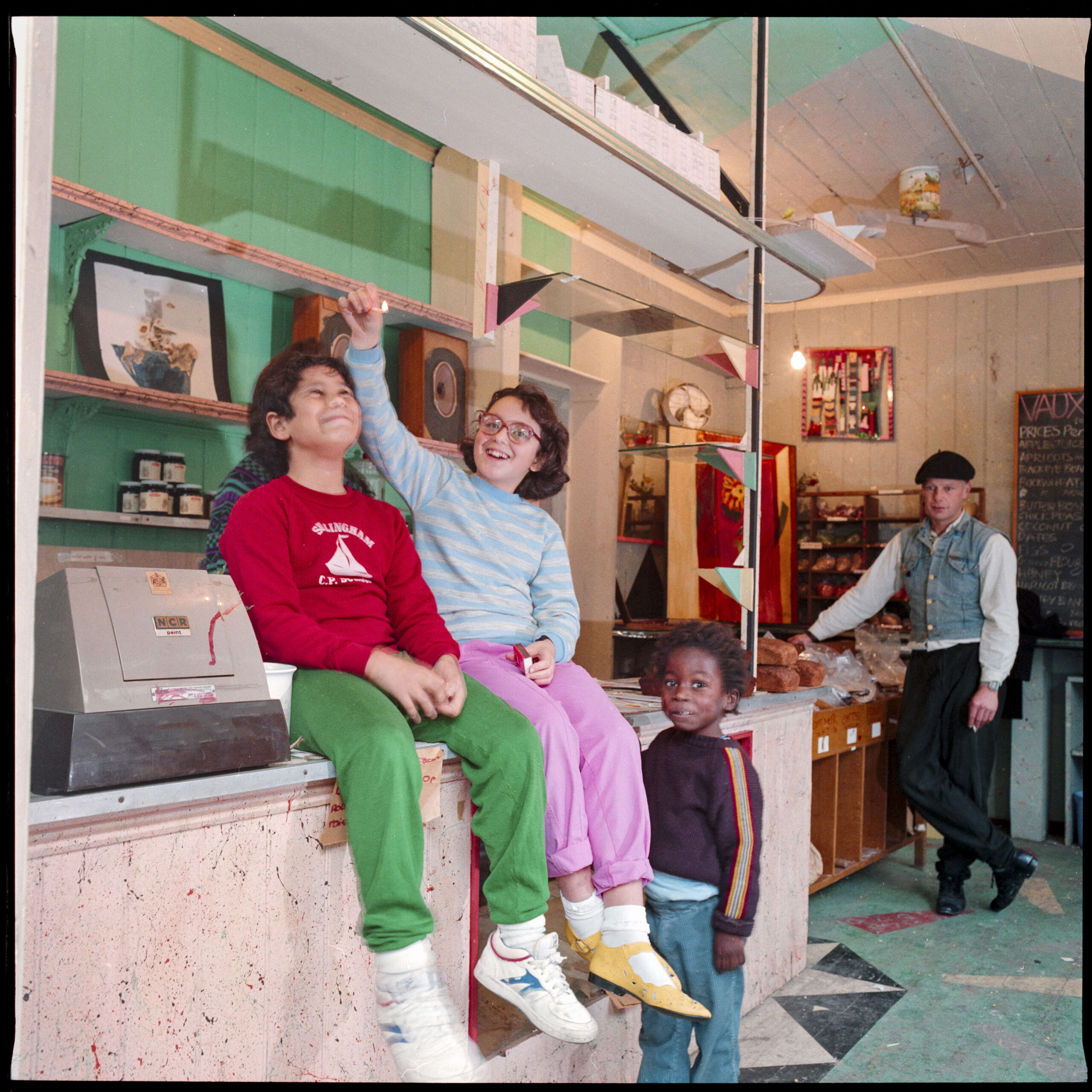
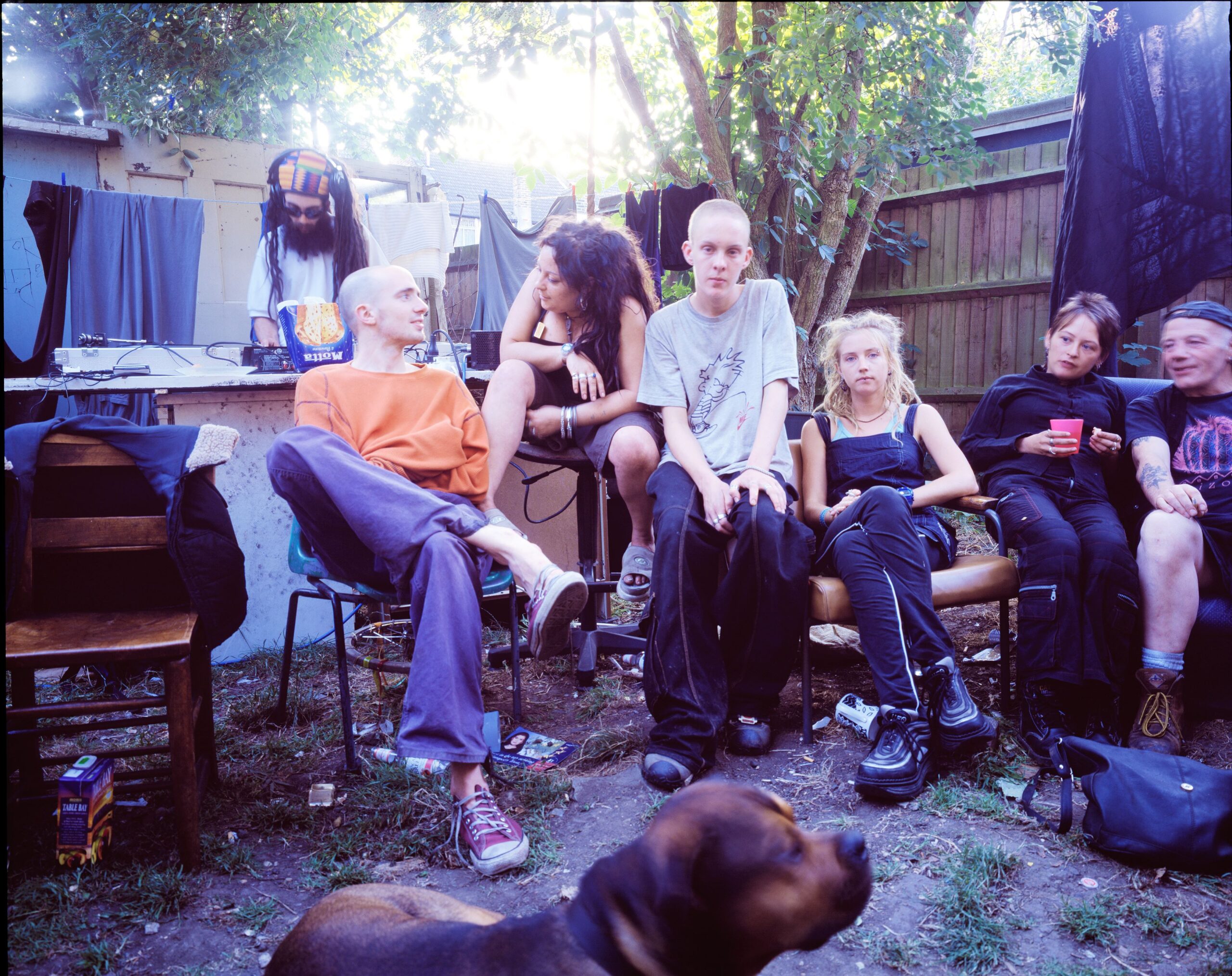
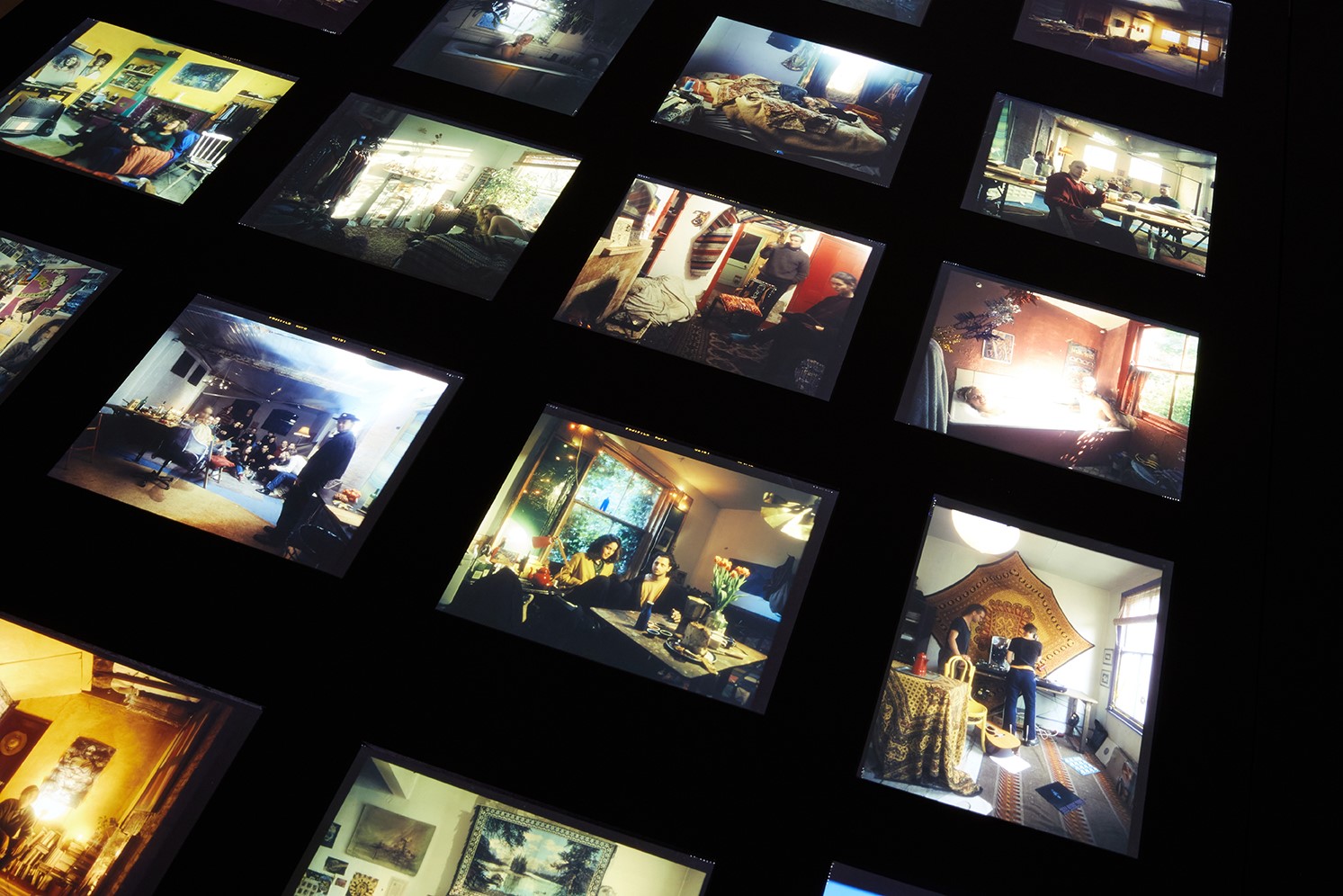
The Ghetto, 43 Kitchen, 1993, Tom Hunter

Supporters and partners

Women in Print

150 Years of Liberty Textiles

On now until Sunday, 21 June 2026

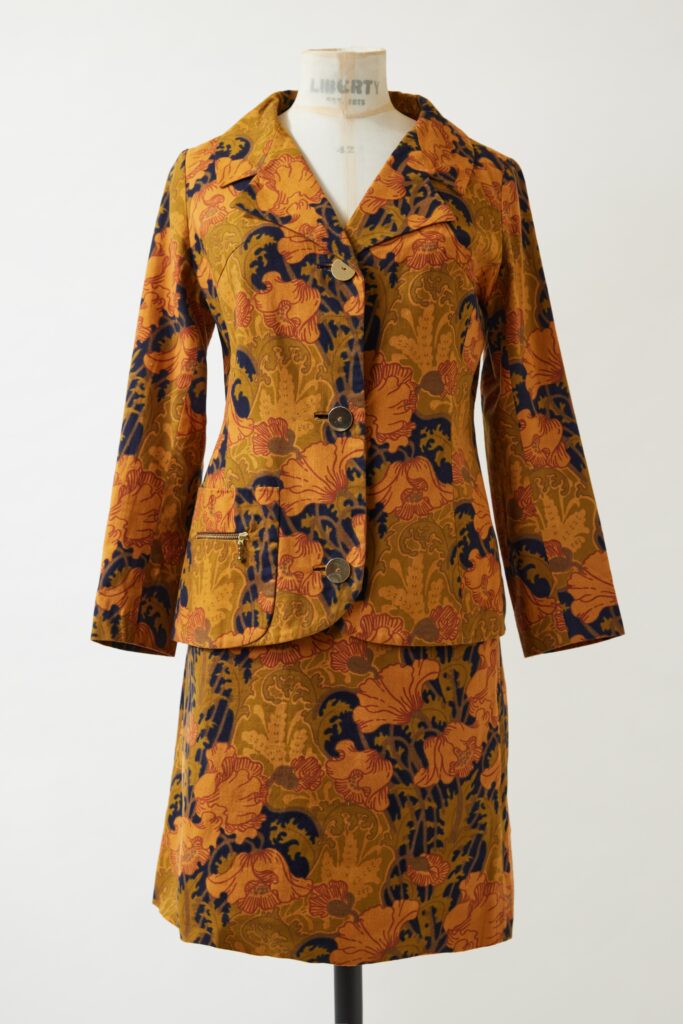
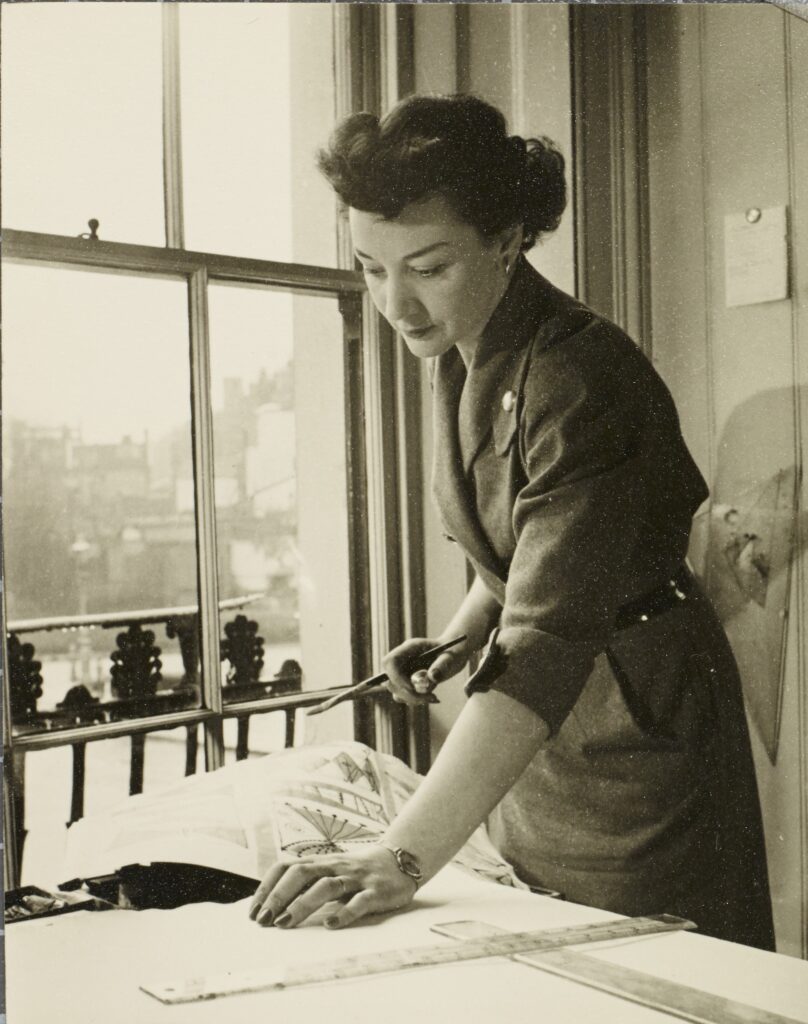
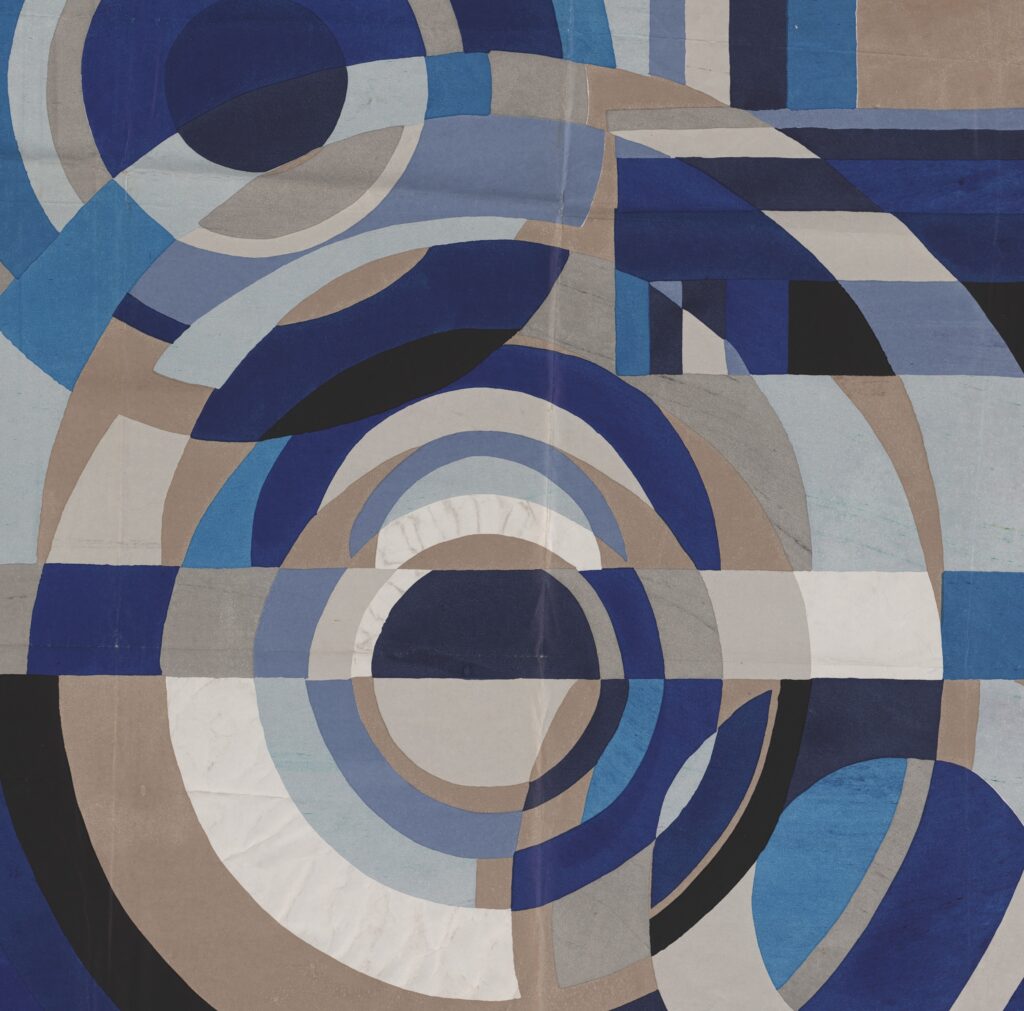
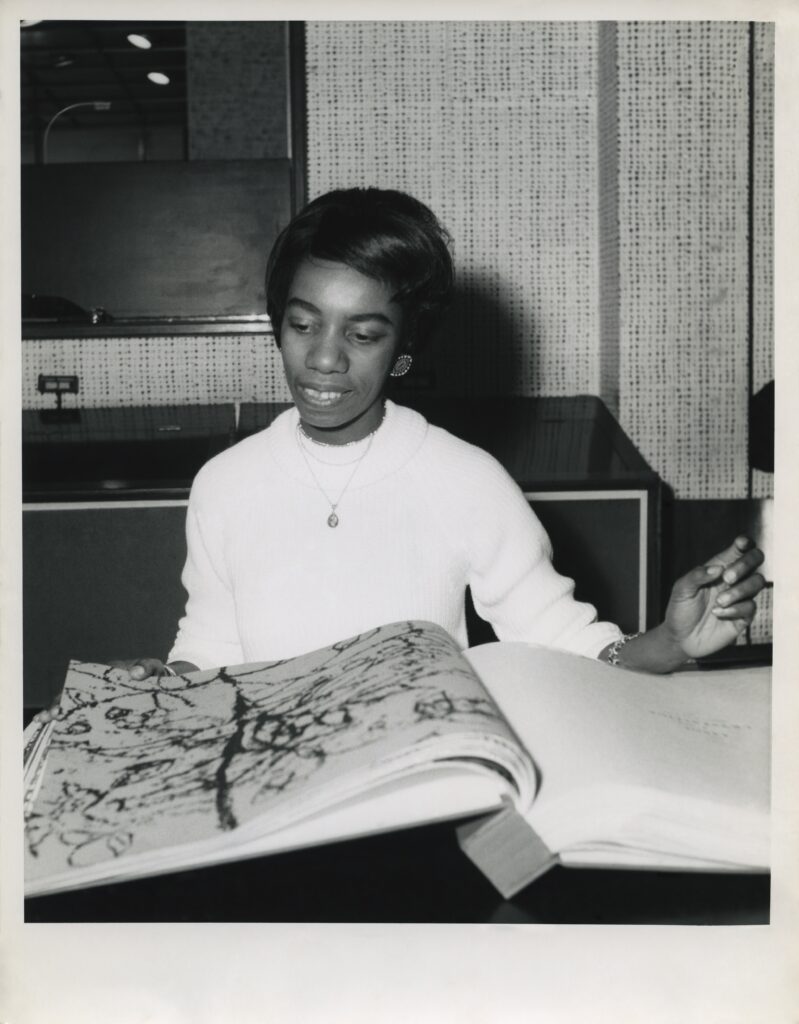
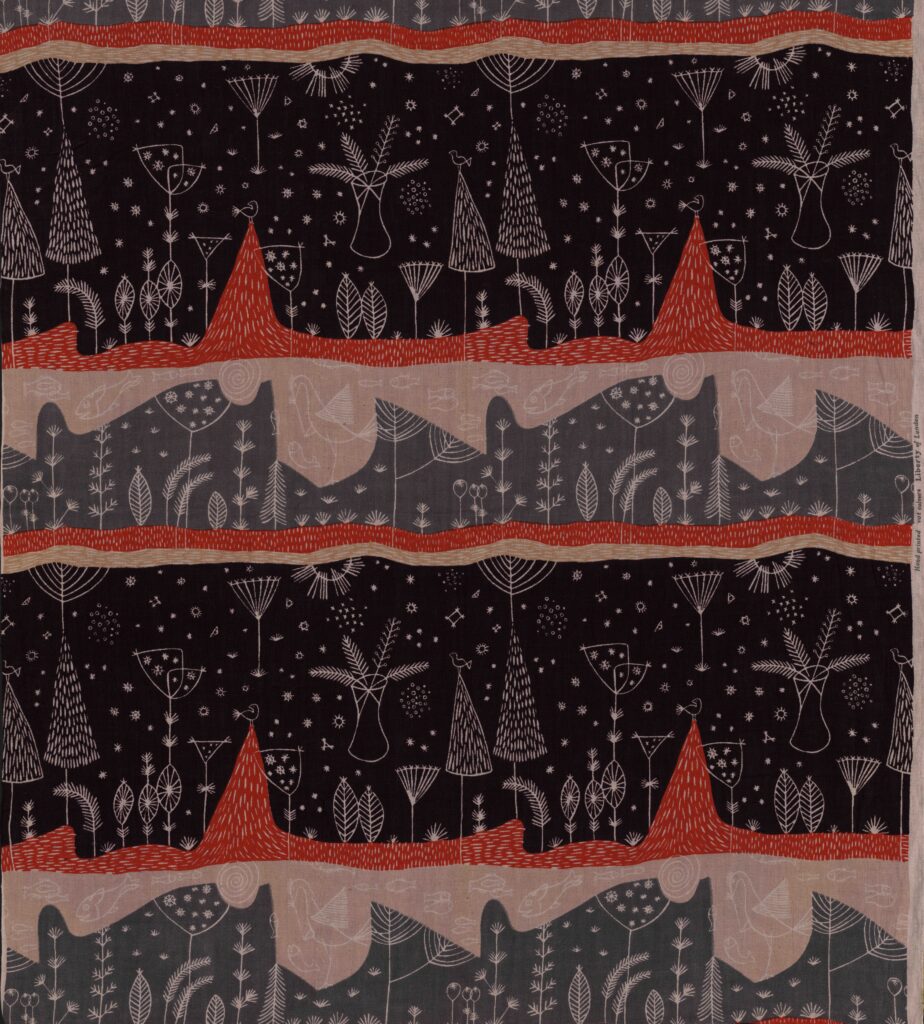
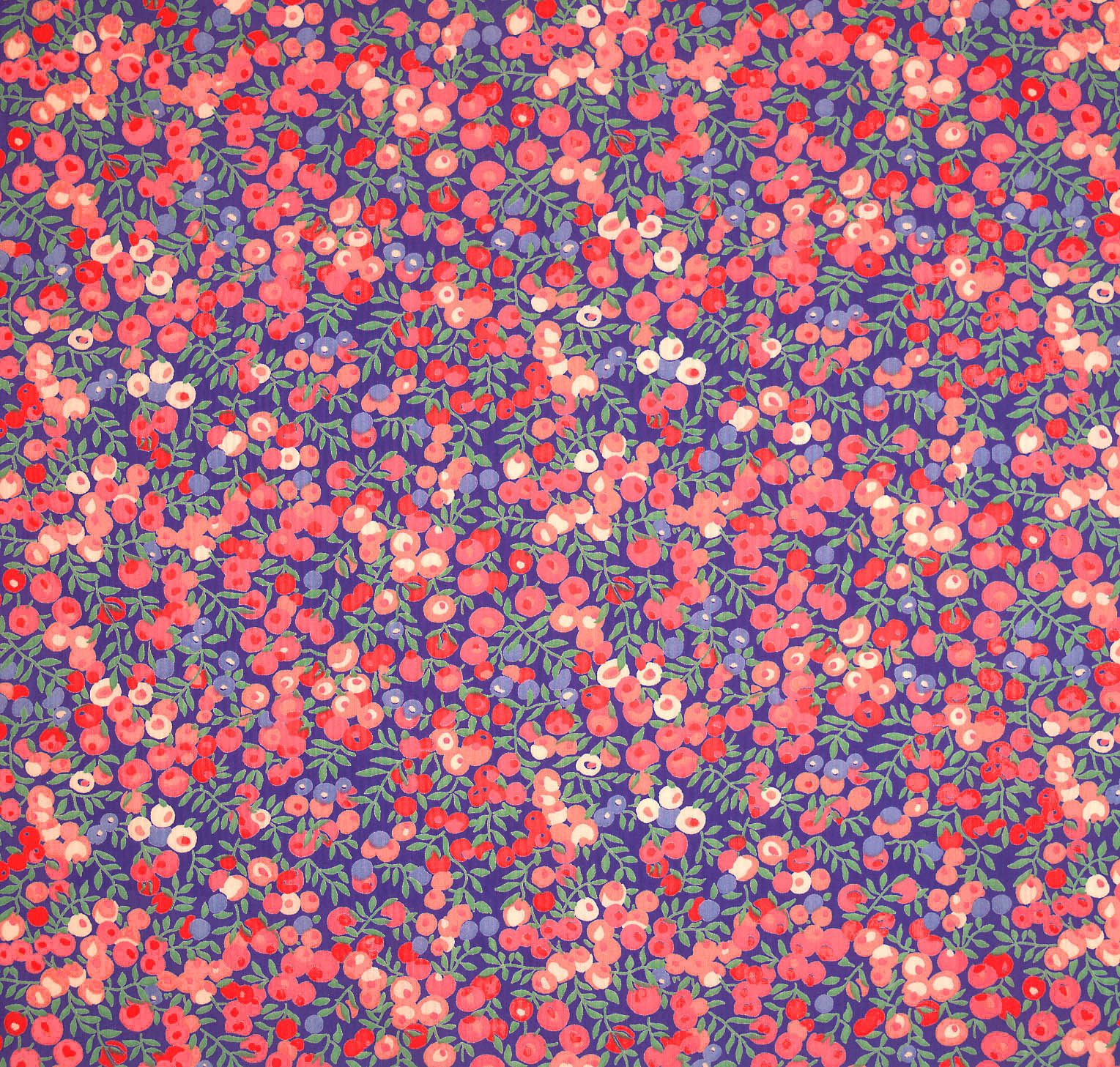
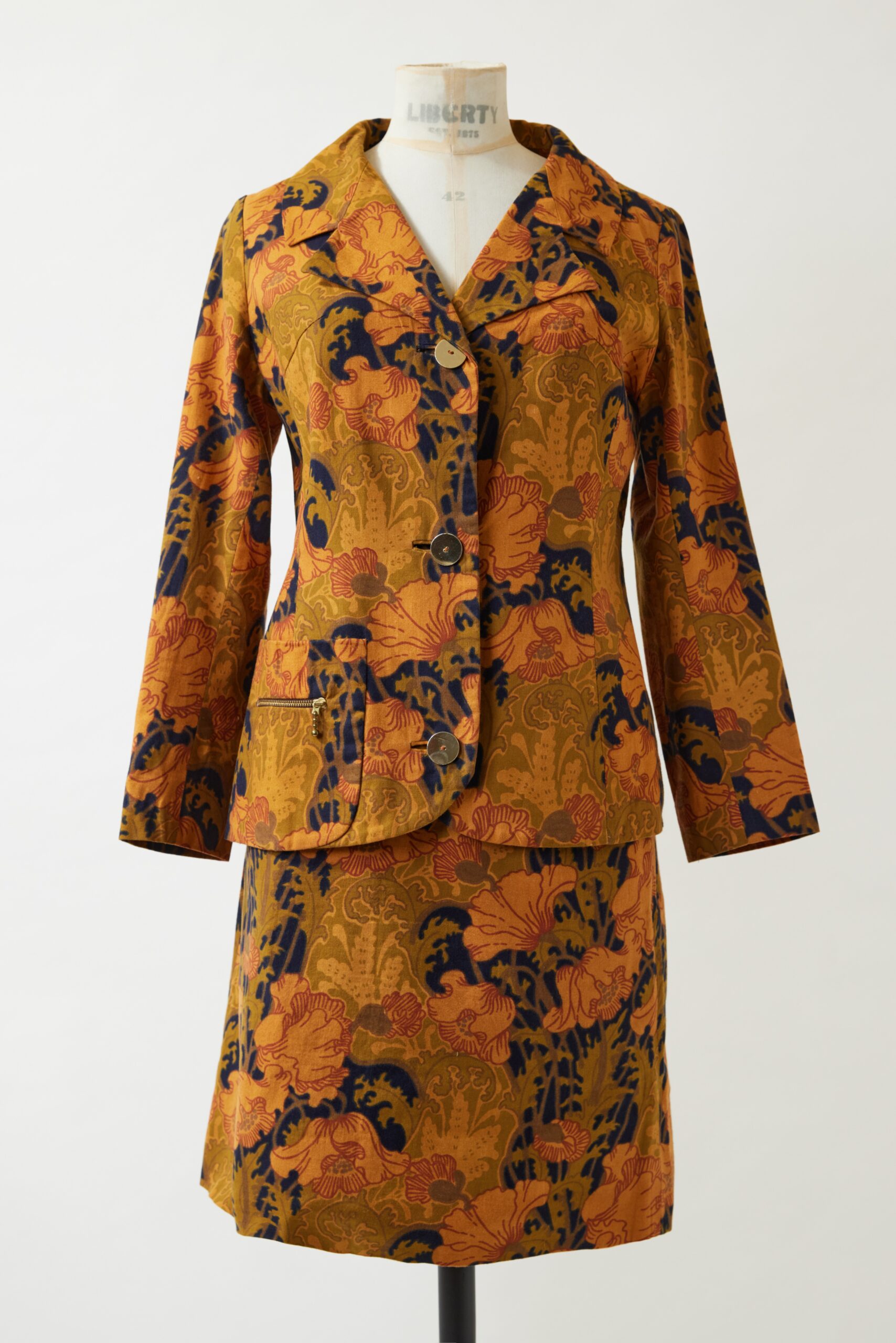
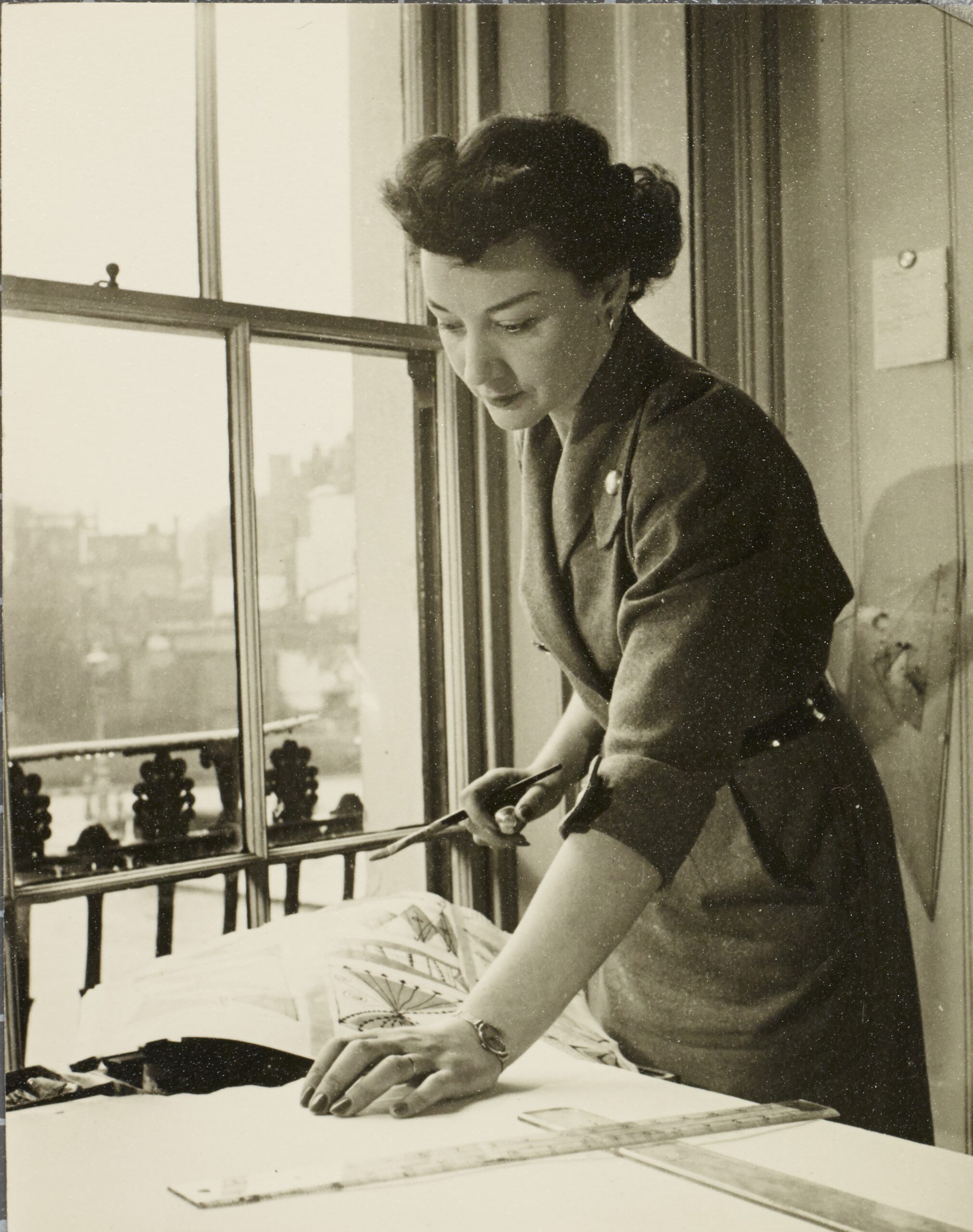
William Morris Gallery presents Women in Print: 150 Years of Liberty Textiles. Conceived in partnership with Liberty Fabrics on the occasion of the design house’s 150th anniversary, this major exhibition highlights the pivotal role and contributions of women textile designers.
Tracing the rich history of Liberty Fabrics, the exhibition surveys the evolving influence and status of women in textiles over the past 150 years. Women in Print brings together iconic patterns by designers such as Althea McNish, Susan Collier and Sarah Campbell, and Lucienne Day, alongside previously overlooked names, celebrating how women have been — and continue to be — at the heart of Liberty’s creative innovations and ongoing relevance today. It features over 100 works, spanning garments, fabric, original designs, film and historic photographs.

A programme of events, including mentoring and training for local young people, underpins the exhibition and ask the question: what does the future for women textile designers in the UK look like?

Women in Print is curated by Rowan Bain, Principal Curator of Collections and Programme and Róisín Inglesby, Curator William Morris Gallery, with exhibition design by Simon Milthorp, Lai Couto, Scarlet Winter and Liberty Design Studio. 

Women in Print is part of William Morris Gallery’s 75th anniversary programme.

Read the press release.

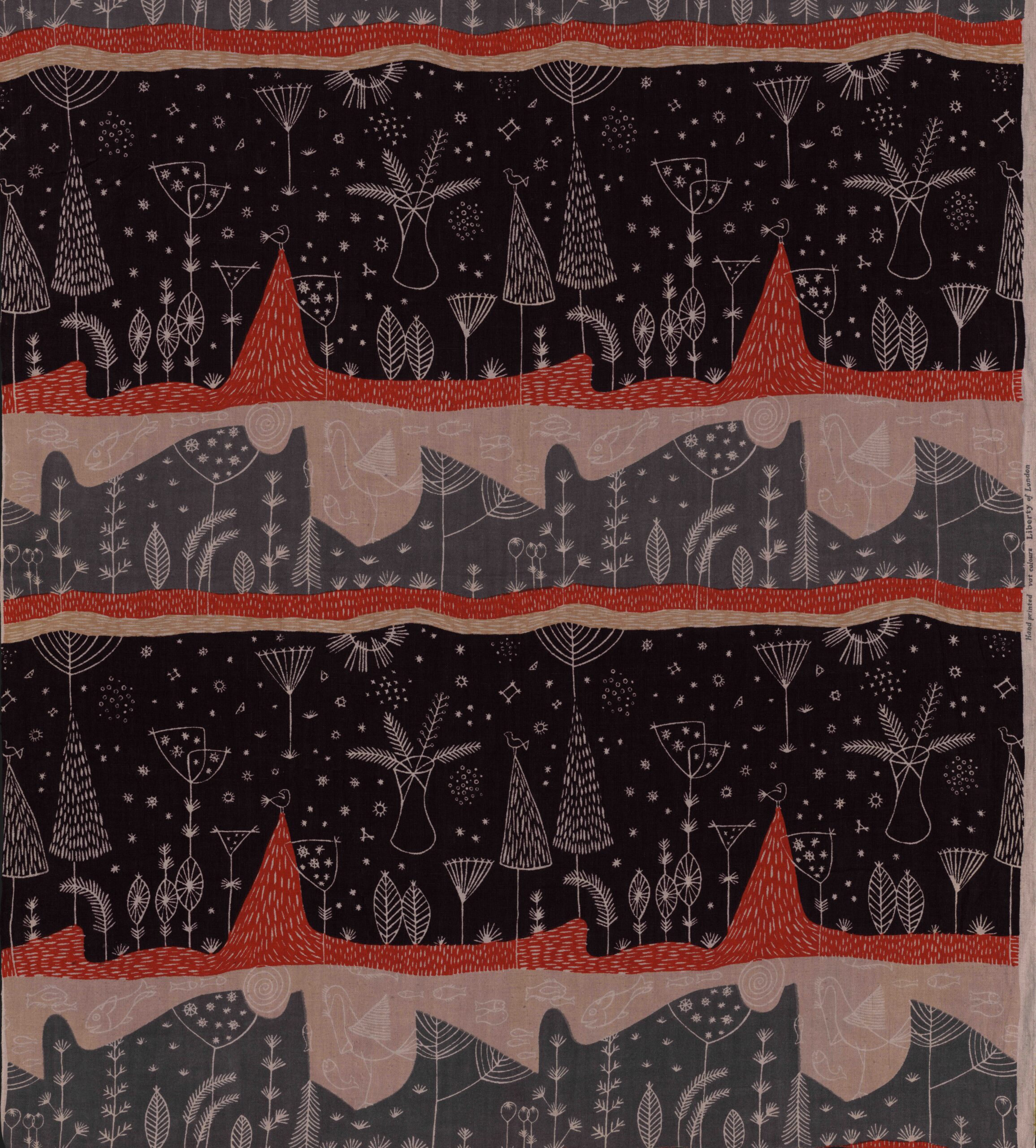
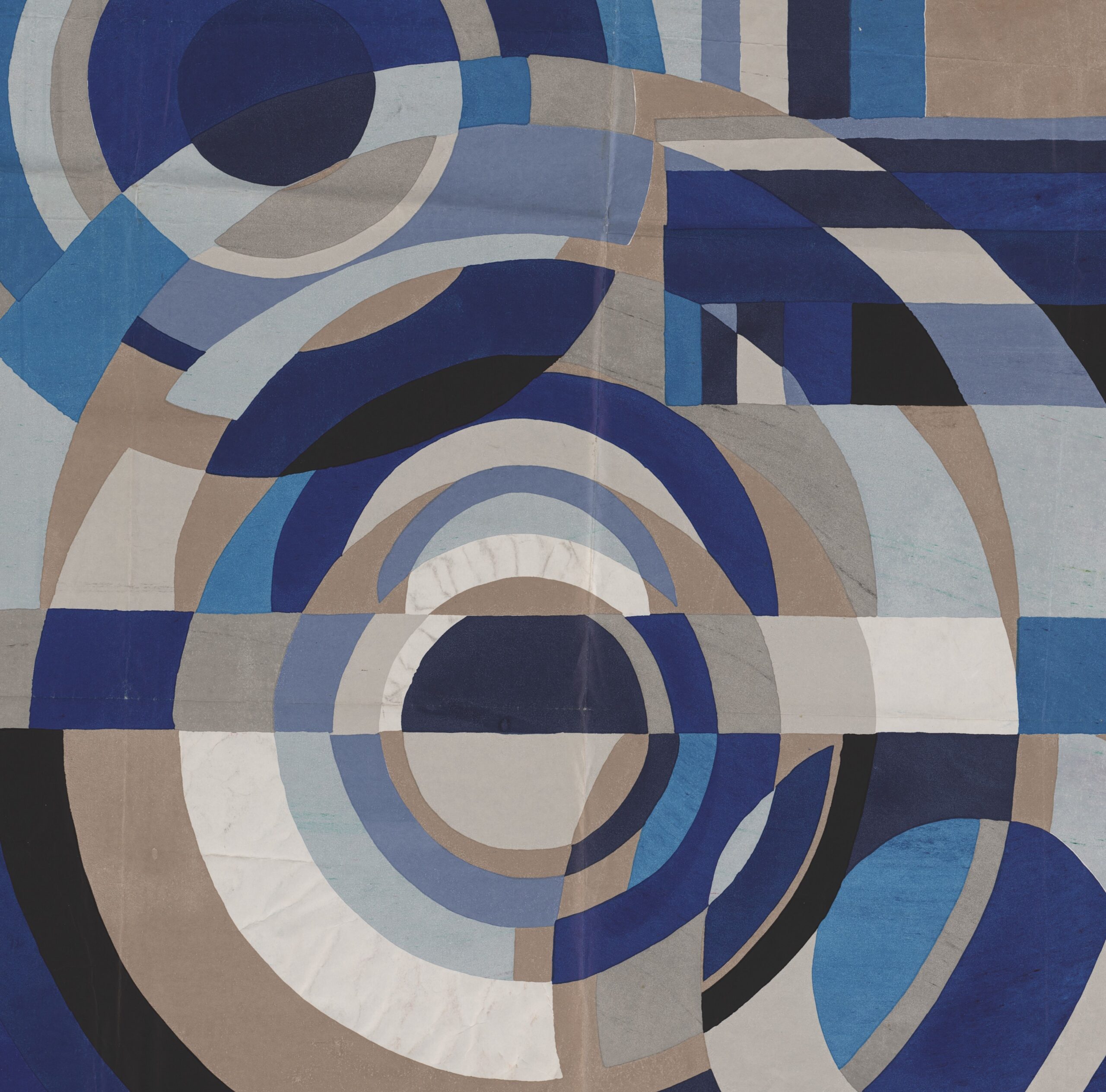
Image: ‘Malindi’ furnishing fabric, designed by Gwenfred Jarvis for Liberty, 1959. Credit: William Morris Gallery

Supporters and partners

Morris Mania

How Britain’s greatest designer went viral

Saturday 5 April - Sunday 21 September 2025

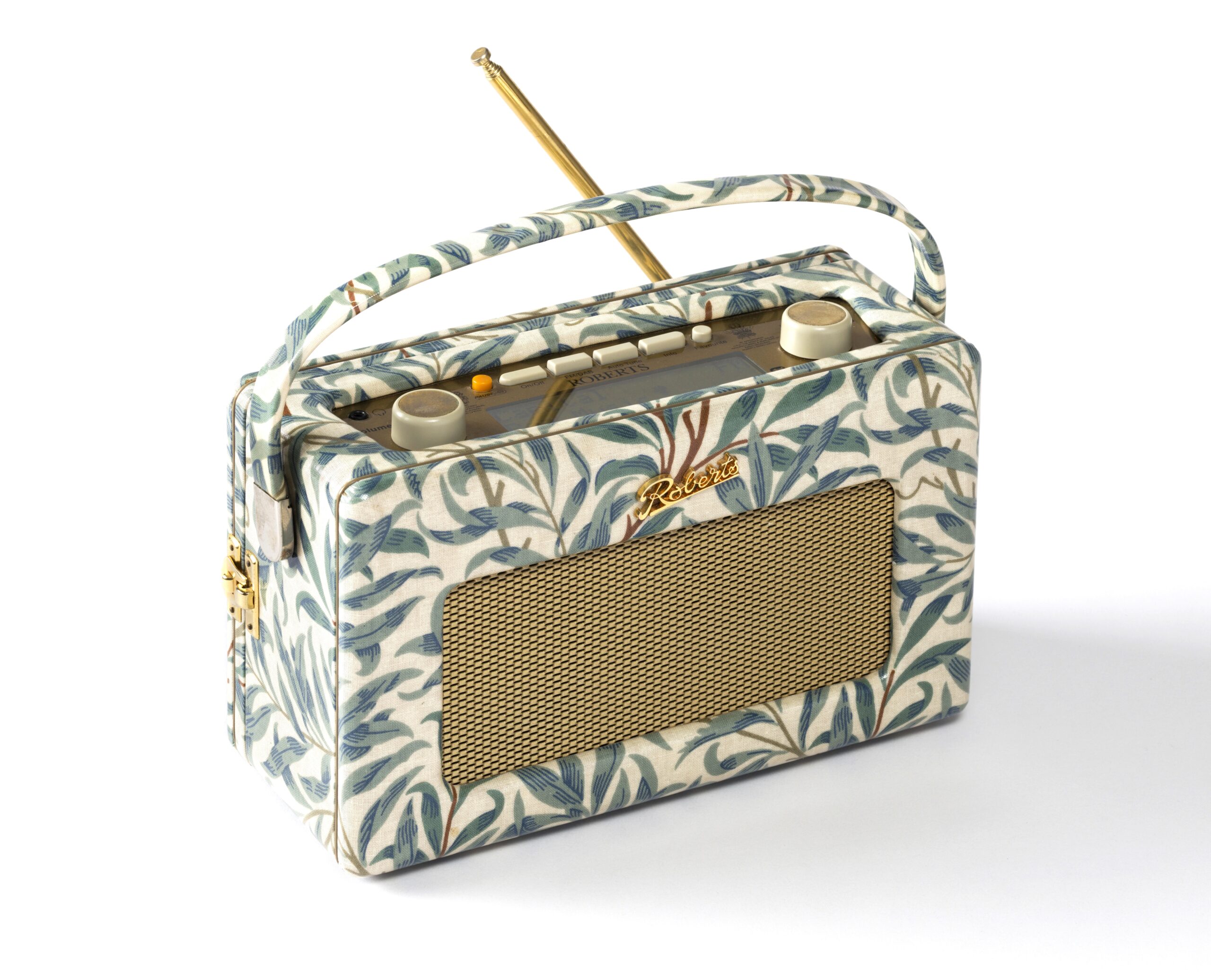
William Morris (1834-96) has gone viral. Today, we find his infinitely-reproduced botanical patterns on shower curtains, phone cases, on film and TV, and in all corners of our homes, dentist waiting rooms and shopping centres.

One of our greatest designers, Morris argued that beautiful objects could only be created through a responsible and close relationship with the natural world and enjoyable, creative working conditions. These principles continue to influence subsequent generations of designers, makers and consumers today.
Morris Mania explores a complicated legacy. Over 125 years since his death, Morris’s work continues to grow in popularity. His patterns are now affordable, well-loved and available to people across the globe, something he failed to achieve in his lifetime. However, this has been achieved in the context of mass-production, computer-generated design, global capitalism and environmental crisis. Morris Mania considers the ongoing impact of Britain’s most iconic designer in our increasingly cluttered and commodified world.

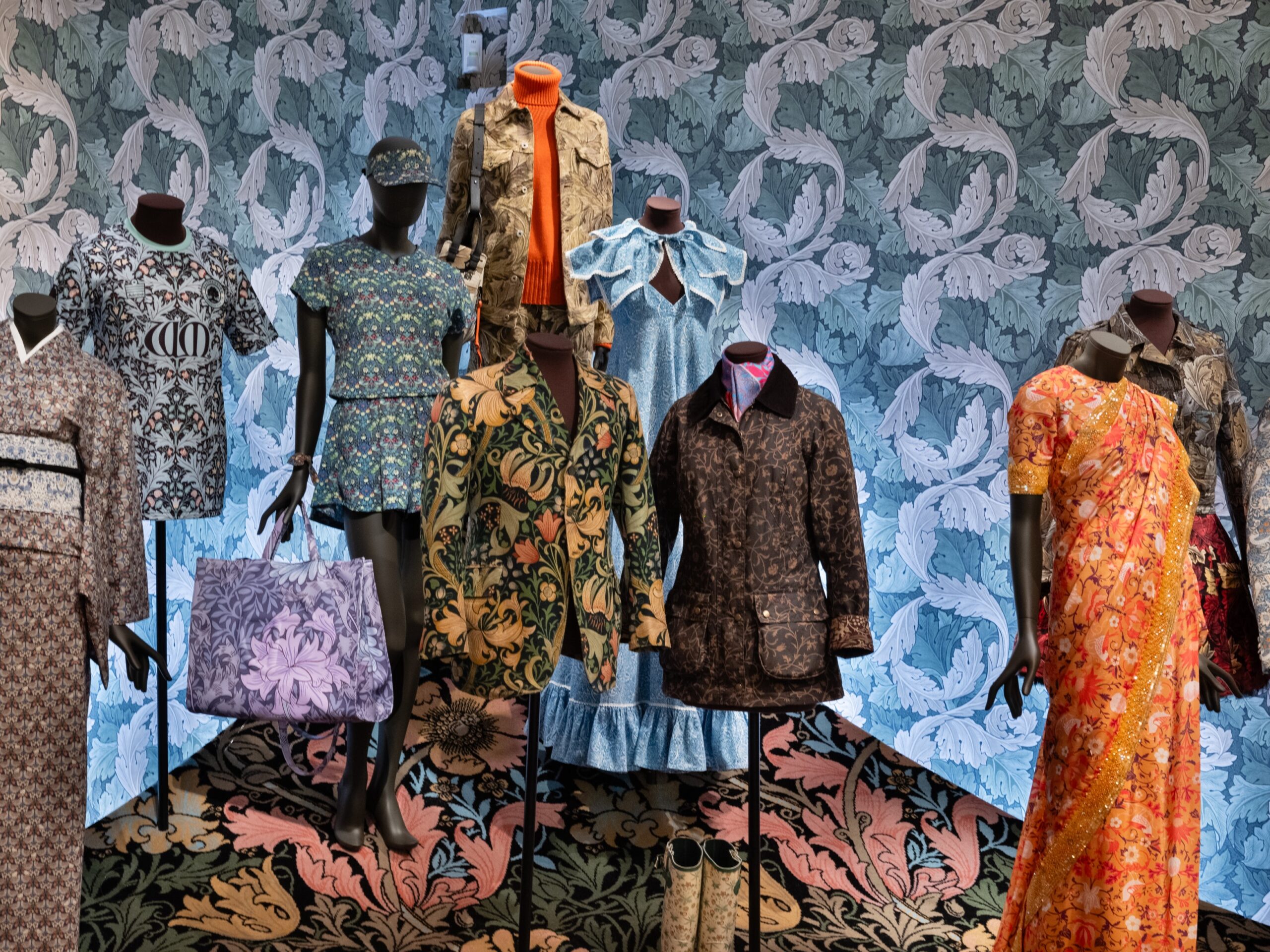
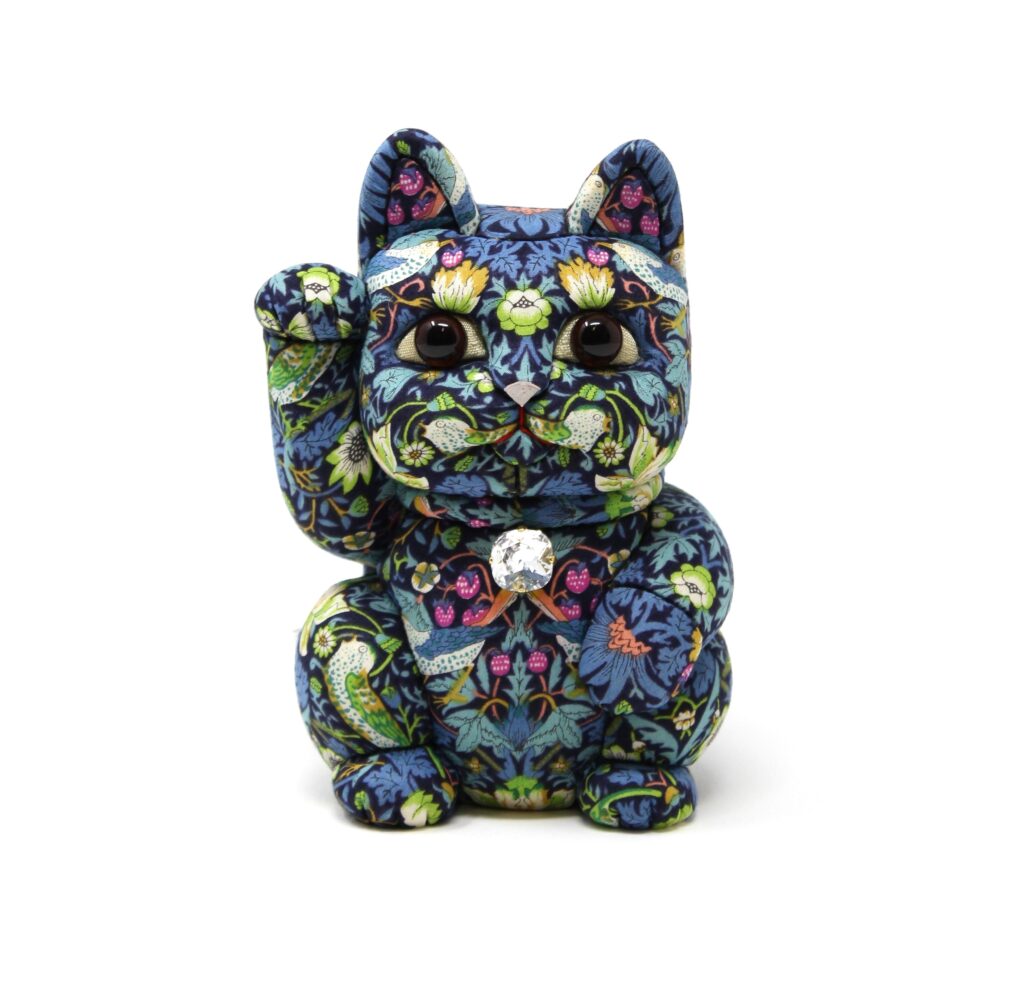
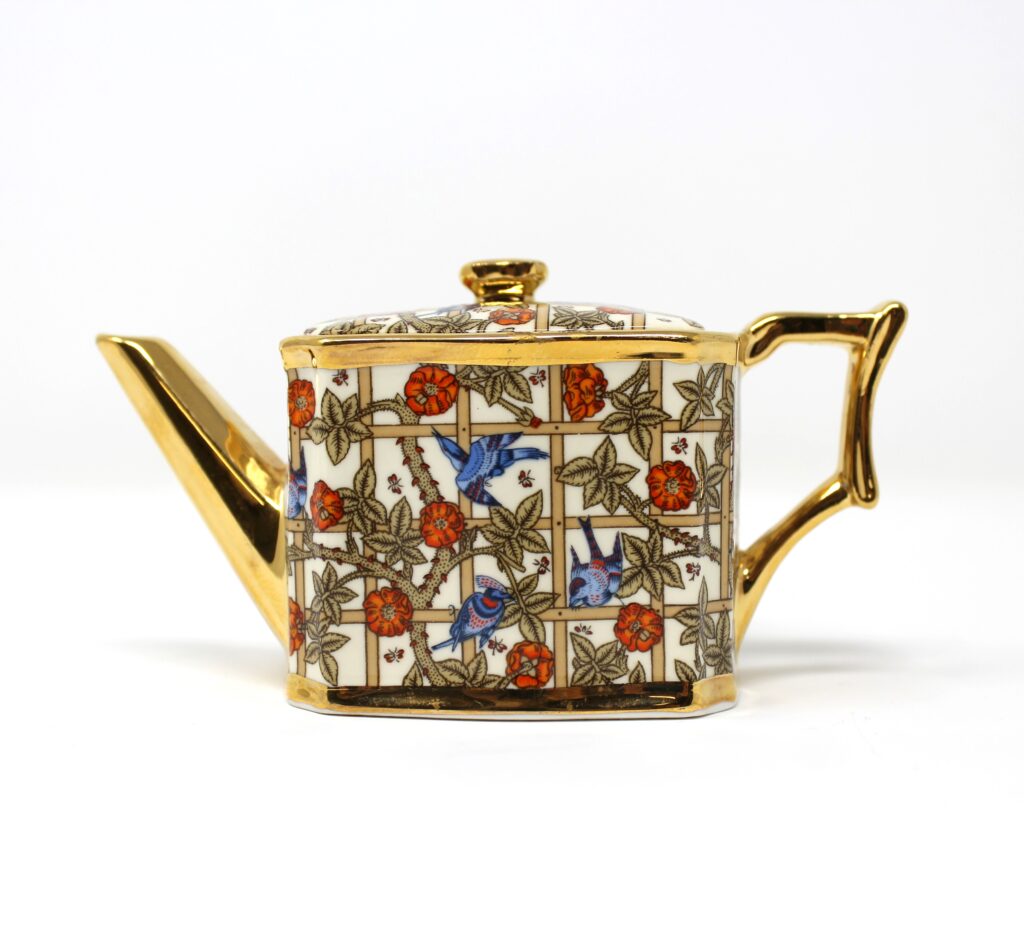
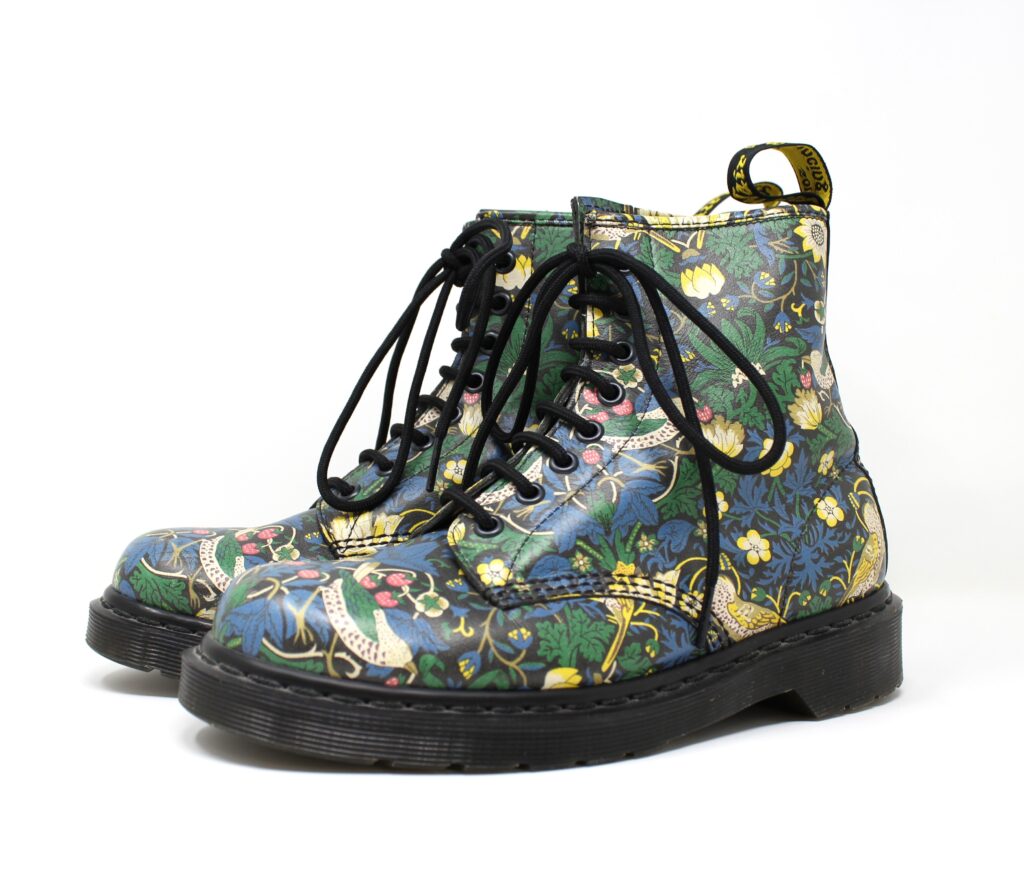
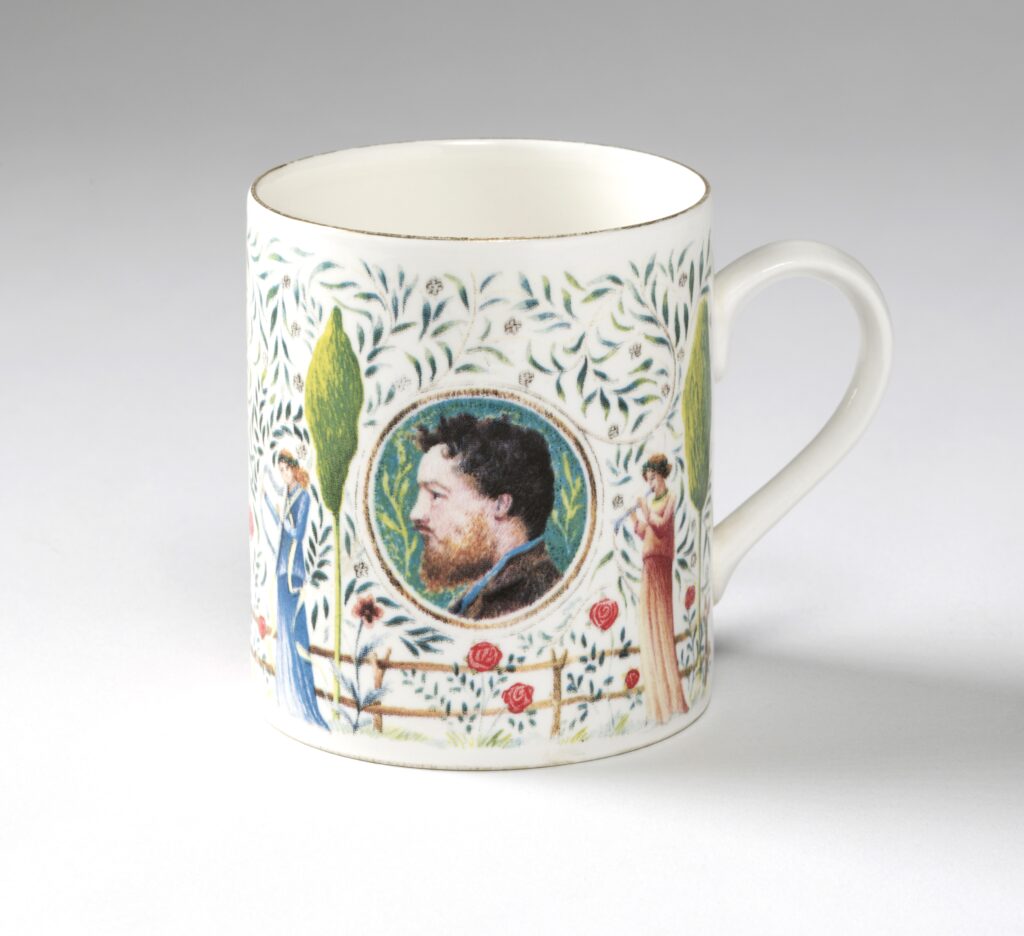
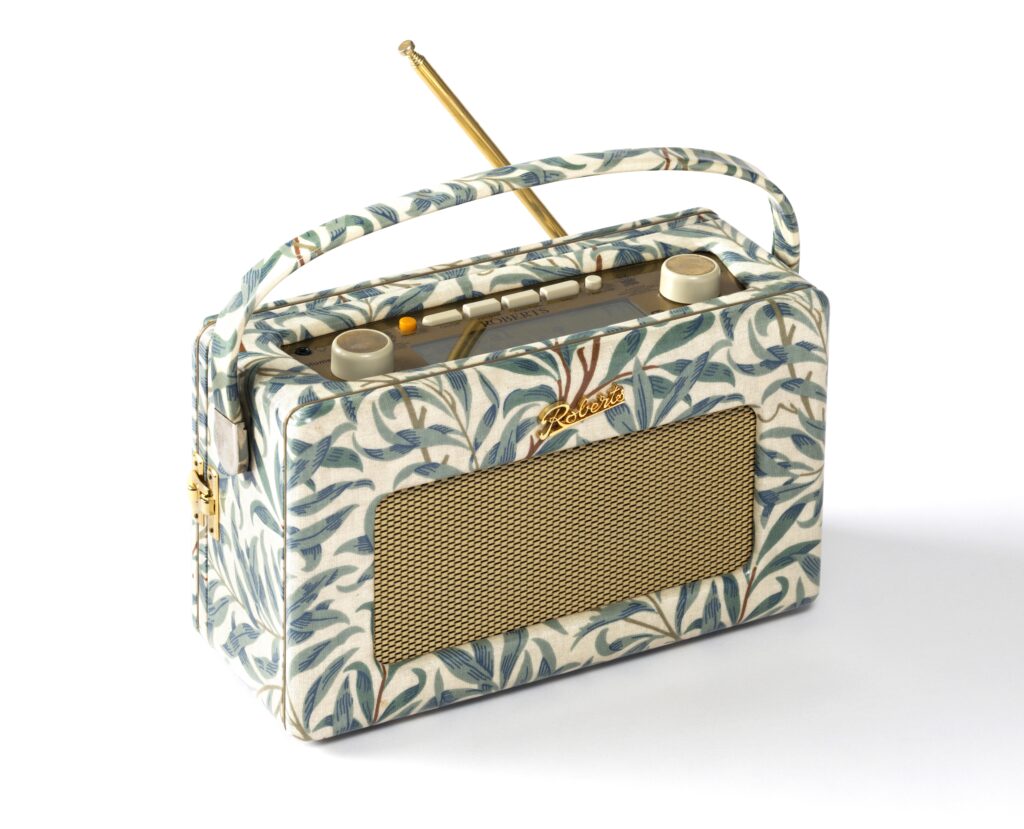
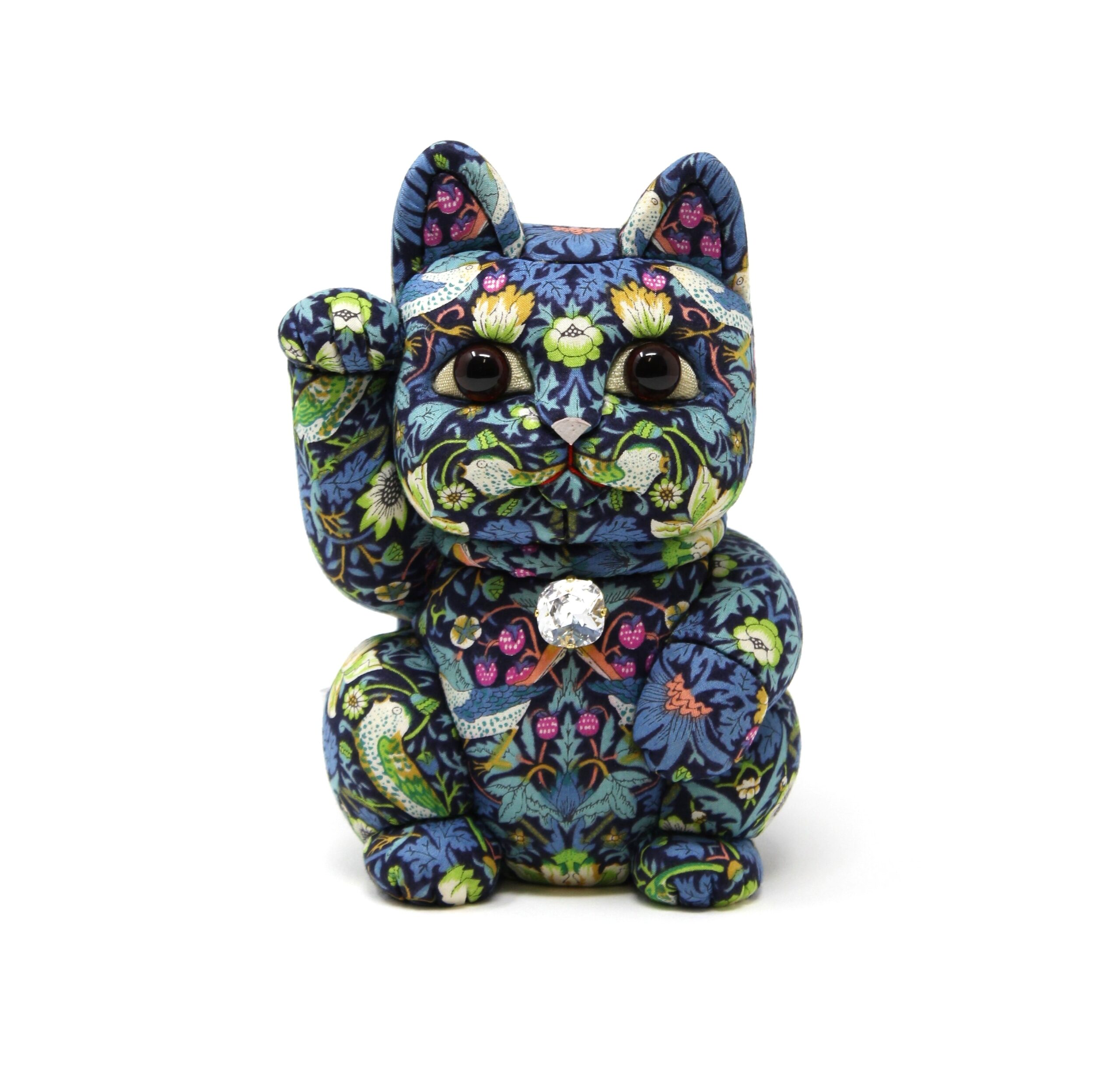
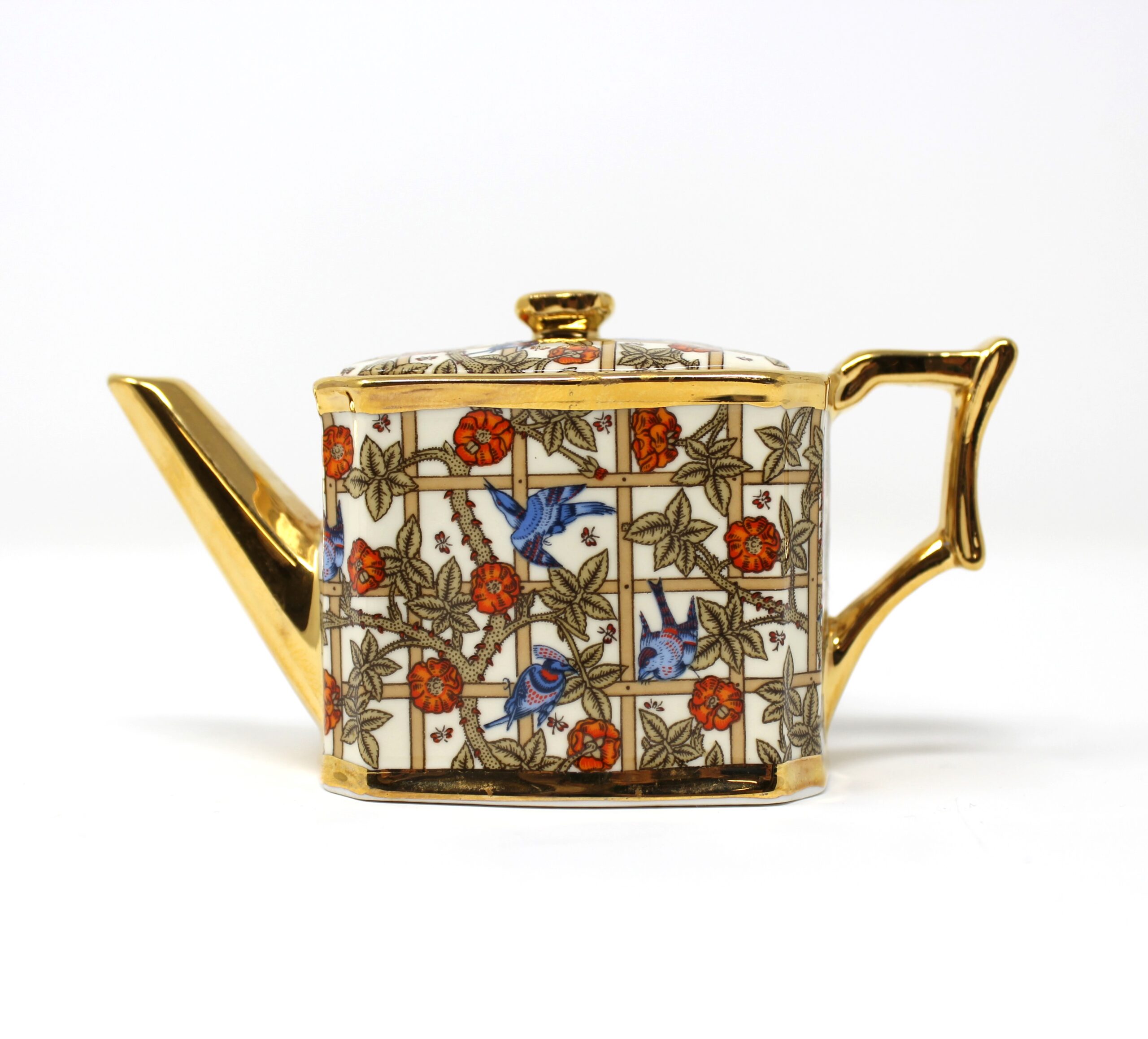
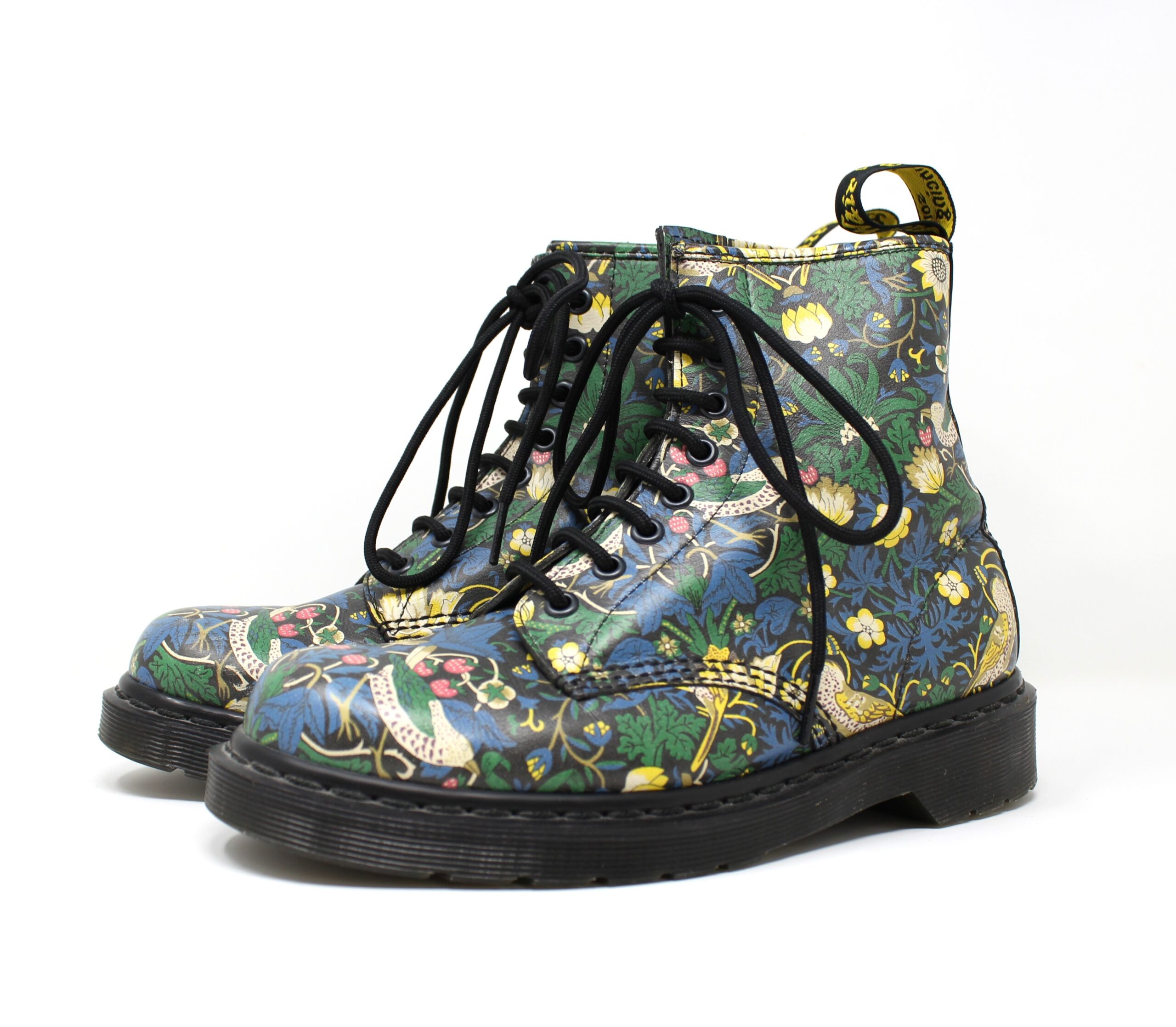
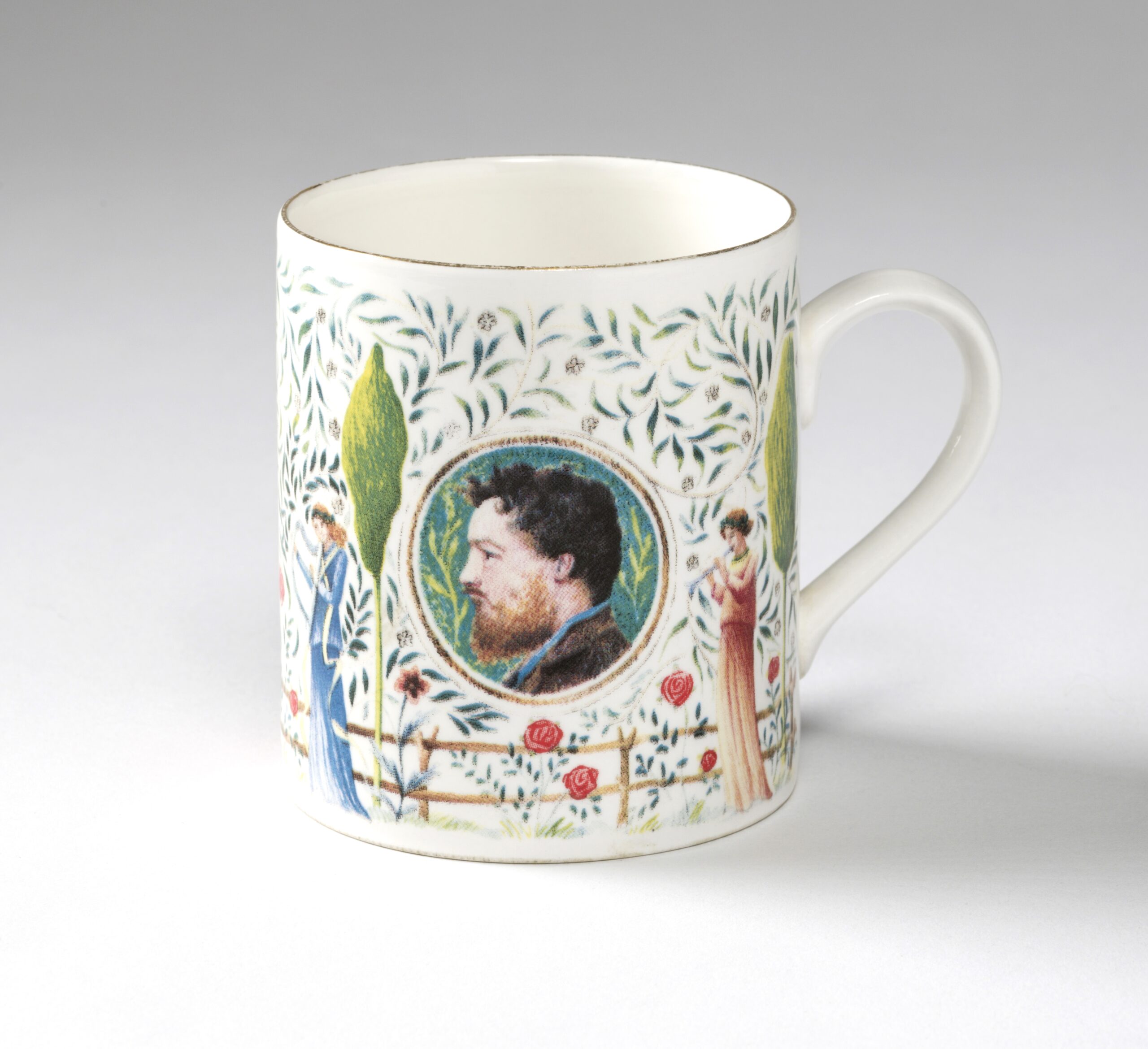
Objects from William Morris Gallery and private and public international collections include a ‘Rose’ patterned seat from the 1980s British Nuclear Submarine Fleet, ‘Willow’ pattern Nike trainers, and Loewe fashion inspired by Morris’s designs. The exhibition also features Morris-patterned objects donated by the public. Revealing how the designer’s work has permeated our everyday lives, visitors are invited to continue to lend and donate their own Morris-print objects throughout the course of the exhibition. Morris-patterned donations to date include chopsticks, a waving cat from Japan, hand-embroidered wedding jackets, Wellington boots and an array of mugs and biscuit tins.

The exhibition will feature Wallpaper (2025), a newly-commissioned work by archive documentary filmmaker Natalie Cubides-Brady, exploring how William Morris’s designs have been used in screen history. A montage of scenes from film and TV will reveal the diverse and sometimes surprising range of narratives, settings and moods that Morris designs conjure up. Cameos in everything from My Fair Lady, Sunday Bloody Sunday and Django Unchained, to Gogglebox, Coronation Street and Peep Show, highlight how Morris designs form part of the fabric of 20th- and 21st-century popular culture.

Morris Mania is curated by Hadrian Garrard, Director of William Morris Gallery. Part of the Gallery’s 75th Anniversary Year programme, the exhibition will be accompanied by an exciting programme of events and activities at the Gallery.

Exhibition design by Sam Jacob Studio.


Wallpaper (2025) trailer – see the full-length film on our YouTube channel


Living with Morris

We are also excited to be developing a Living with Morris Archive of photographs from the public, that explores how Morris’s designs provide a backdrop to everyday life. Do you have a photograph you’d like to share? It might feature a Morris-patterned chair, curtains, or wallpaper from your home either now or from your childhood? Or something more unexpected—perhaps a handmade item, something that you have made, or even a tattoo…

Send your photos to wmg.enquiries@walthamforest.gov.uk in a high resolution format. In sending your images you will be granting permission to share on social media and in our exhibition’s display.

Back to Top